This was another find at the Festival of Cards a couple of weeks ago. A Cabinet Card in Memoriam to Alice Rosa Martin’s beloved Grandparents. I have never seen a Cabinet Card like this before, so I just had to have it to research the family.
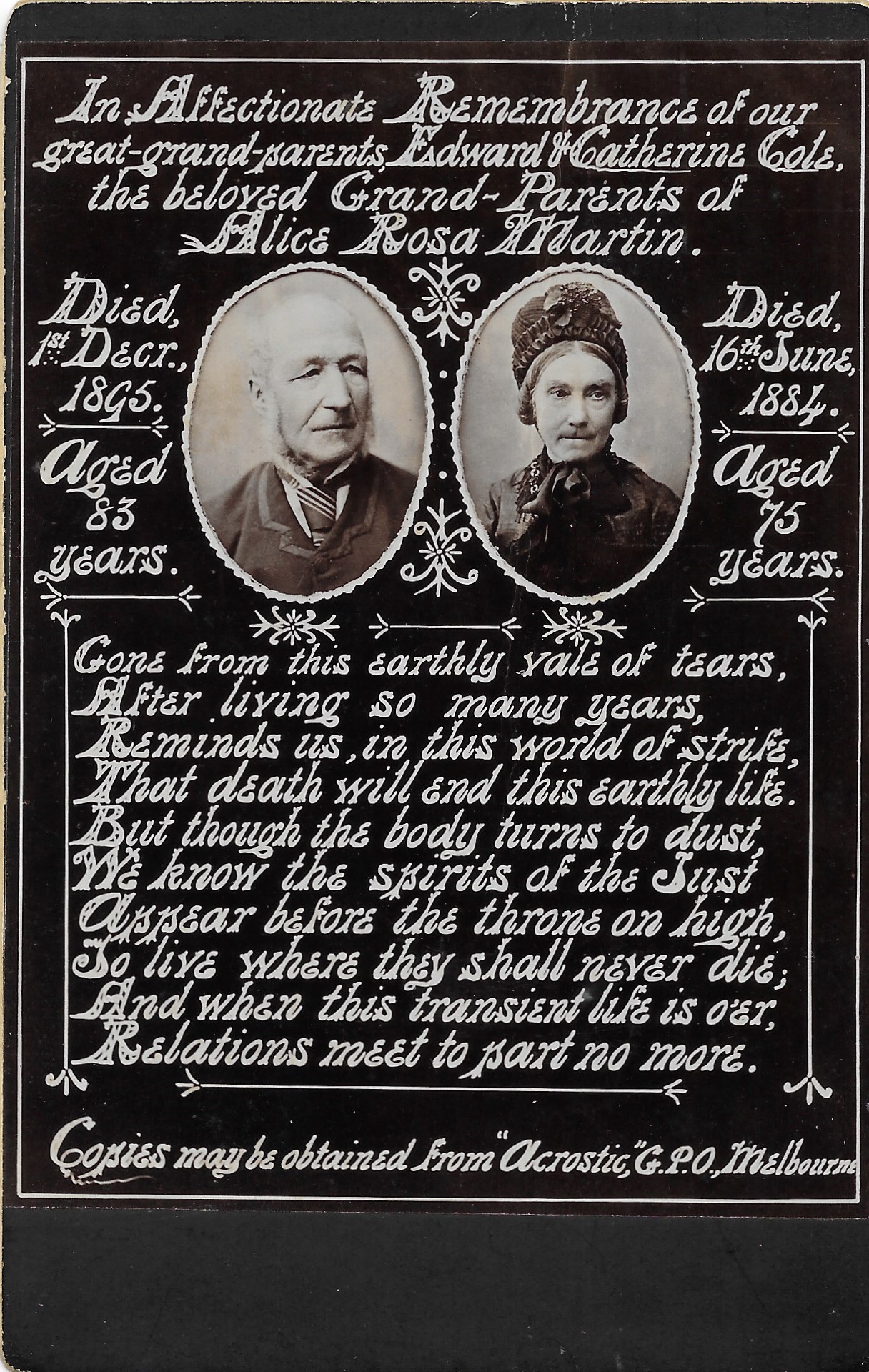
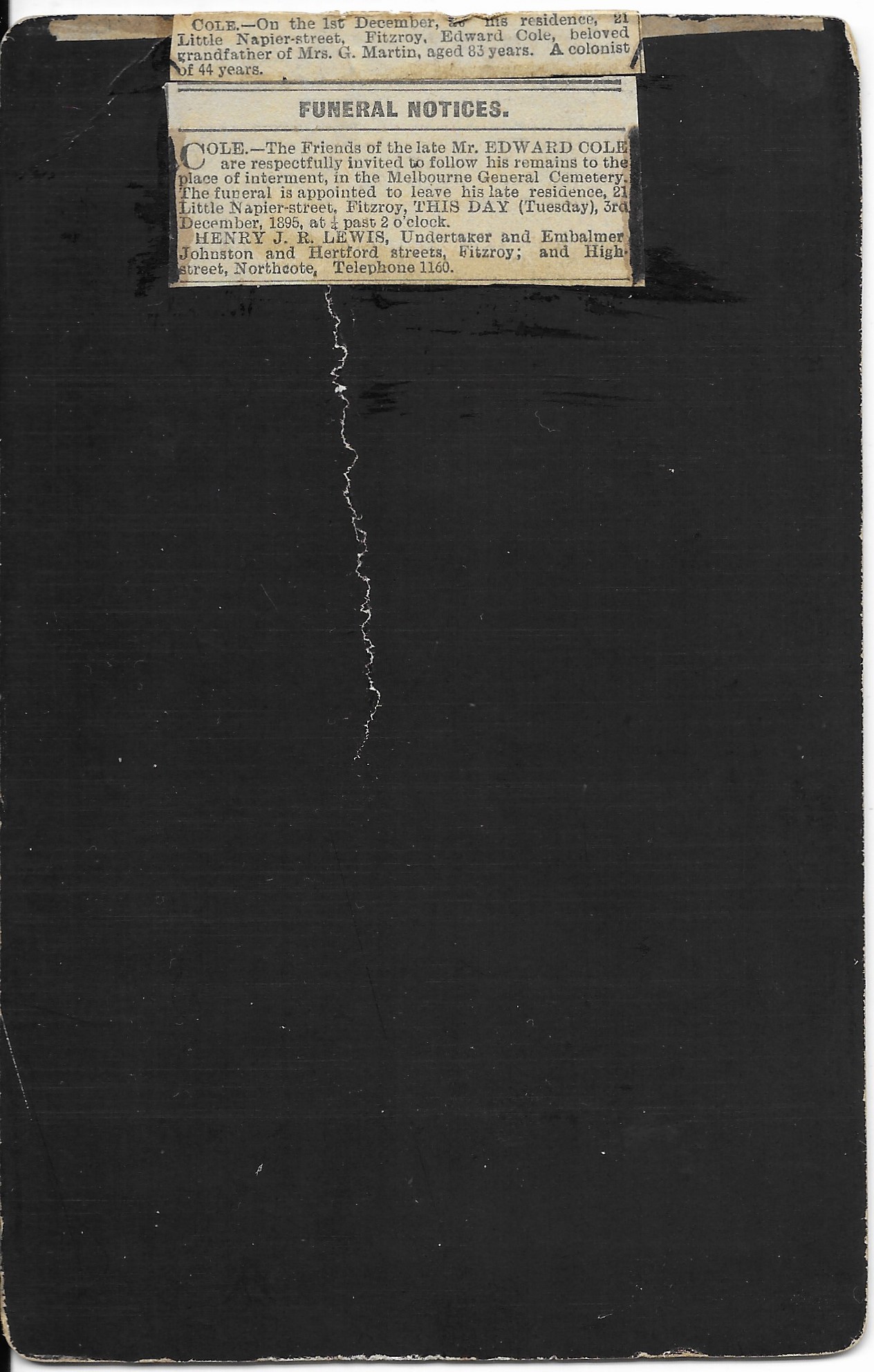
I started a family tree with Edward and Catherine Cole, and then this family history story centred on Alice Rosa, the couple’s granddaughter, who clearly adored them.
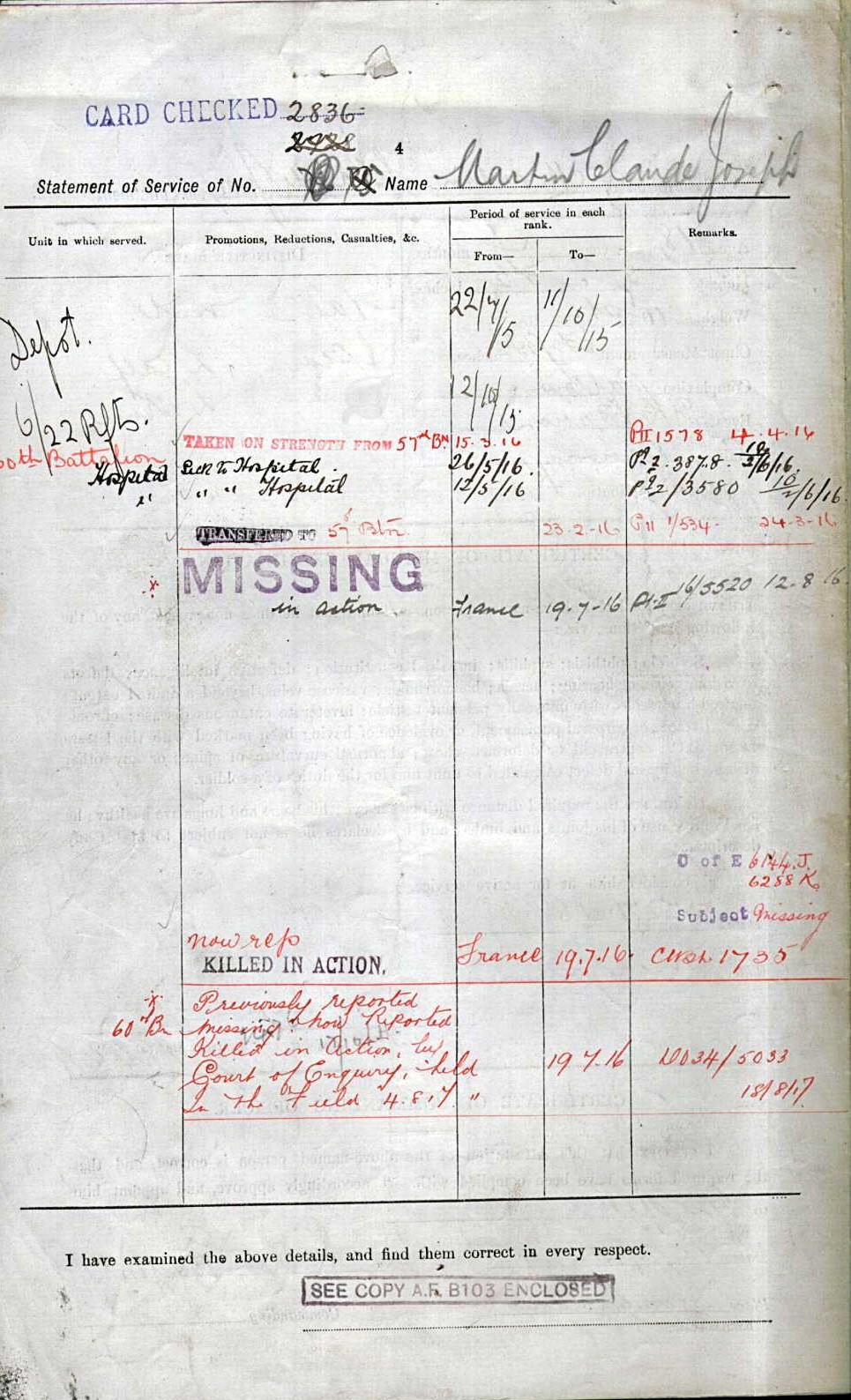
What I found about Alice was that she, very sadly, was like many mothers across the world during the time of World War One, lost a son, ‘Killed in Action.’

The story of Alice Rosa Aldridge begins long before her birth, in the quiet rural parish of Pyworthy in Devon, England. There, in 1812, her grandfather Edward Cole was born to Samuel Cole and Joanna Dayman. Edward’s life would stretch across continents and decades, ultimately linking England to the growing colony of Victoria, Australia.
In 1838, at the age of 26, Edward married Catherine Parsons in Stratton, Cornwall. Together they began their family, welcoming their son, Samuel John Parsons Cole, in 1839, and their daughter, Mary Parsons Cole, in January 1844.
Sometime between the 1840s and late 1850s, Edward and his family made the long journey to Australia, settling in Fitzroy, Victoria by 1858. It was a bold move, one that would shape generations to come. Yet life in the new colony brought both opportunity and hardship. Edward outlived both his children: his son Samuel died in 1866 at just 27, and his daughter Mary died in 1881 at only 37. His wife, Catherine, died in 1884, after 45 years of marriage. Edward himself lived to the remarkable age of 83, dying in 1895 in Fitzroy and being laid to rest in Melbourne.
Mary Parsons Cole, Alice’s mother, came of age during this time of migration and change. Born in Cornwall in 1844, she grew up partly in England and partly in the young colony of Victoria. At just 18 years old, in 1862, she married John Aldridge.
A year later, in 1863, their first child was born in Collingwood: Alice Rosa Aldridge. Mary was only 19. Soon after, around 1865, Alice gained a younger brother, Samuel John Edward Aldridge, born in Fitzroy.
But Mary’s life was touched by sorrow early. In 1866, her brother Samuel died, and just fifteen years later, in 1881, Mary herself passed away at the Alfred Hospital in Prahran, Melbourne, Victoria, Australia. She was only 37, leaving Alice motherless at the age of 18.
Alice Rosa Aldridge grew up in the busy inner suburbs of Melbourne, Collingwood and Fitzroy, during a time when the city was rapidly expanding. Losing her mother at such a young age must have had a huge impact on her, and I imagine that her grandparents became so important to her at that time.
In 1882, at just 19 years old, the same age her mother had been when she gave birth, Alice married George Stewart Martin. That same year, their first child, Alice Parsons Cole Martin, was born, carrying forward her grandmother’s name.
Over the next three decades, Alice and George built a large family of six children:
Edward George Martin, born in May 1885
May Theresa Royal, born in 1888
George Stewart Martin, born around 1890
Claude Joseph Martin, born in March 1897
Ellen Elizabeth Martin, born around 1912
But, like the generations before her, Alice’s life was marked by both joy and loss.
In 1893, her father John Aldridge died in Fitzroy. Five years later, tragedy struck when her son Edward George died in 1898 at just 13 years old. The pain of losing a child would return years later under far more devastating circumstances.
In 1916, during the First World War, her son Claude Joseph was killed in action at Fromelles in France. He was only 19, his occupation when he signed on was a Brass finisher. His death connected Alice’s family story not just to migration and settlement, but to global conflict and sacrifice.
🌹Private Claude Joseph Martin served with the 60th Battalion of the Australian Imperial Force and was killed in action on 19 July 1916 during the Battle of Fromelles, in northern France.
On that evening, his battalion took part in an assault on heavily fortified German positions near the village of Fromelles. The attack formed part of a wider diversion intended to support operations at the Battle of the Somme. As the men advanced across open ground, they were met with devastating machine-gun and artillery fire. The preliminary bombardment had failed to cut the enemy’s barbed wire or silence their defences, leaving the attacking troops dangerously exposed.
Despite these conditions, elements of the 60th Battalion succeeded in reaching the German lines. There, they faced fierce resistance and quickly became isolated. Throughout the night, confusion and heavy casualties made reinforcement and withdrawal extremely difficult. Many wounded men were left in no man’s land, and by morning the survivors were forced to fall back.
The losses suffered by the 60th Battalion were severe, with hundreds killed, wounded, or taken prisoner in a single night. Across the battlefield, more than 5,500 Australian casualties were recorded, making Fromelles the worst 24 hours in Australia’s military history.
Private Claude Joseph Martin was among those who fell during this tragic action. He rests among comrades who shared the same ordeal, and his sacrifice is remembered as part of the heavy cost borne by the 60th Battalion on that day.
These pages of records are just part of Claude’s story available on Ancestry.
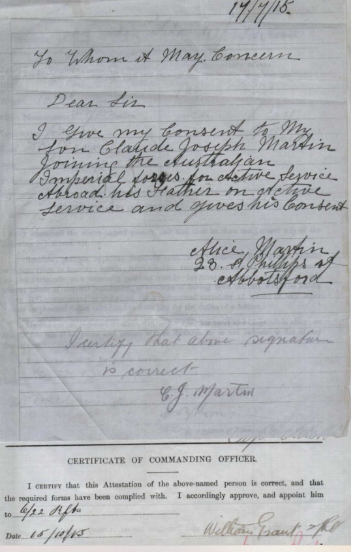
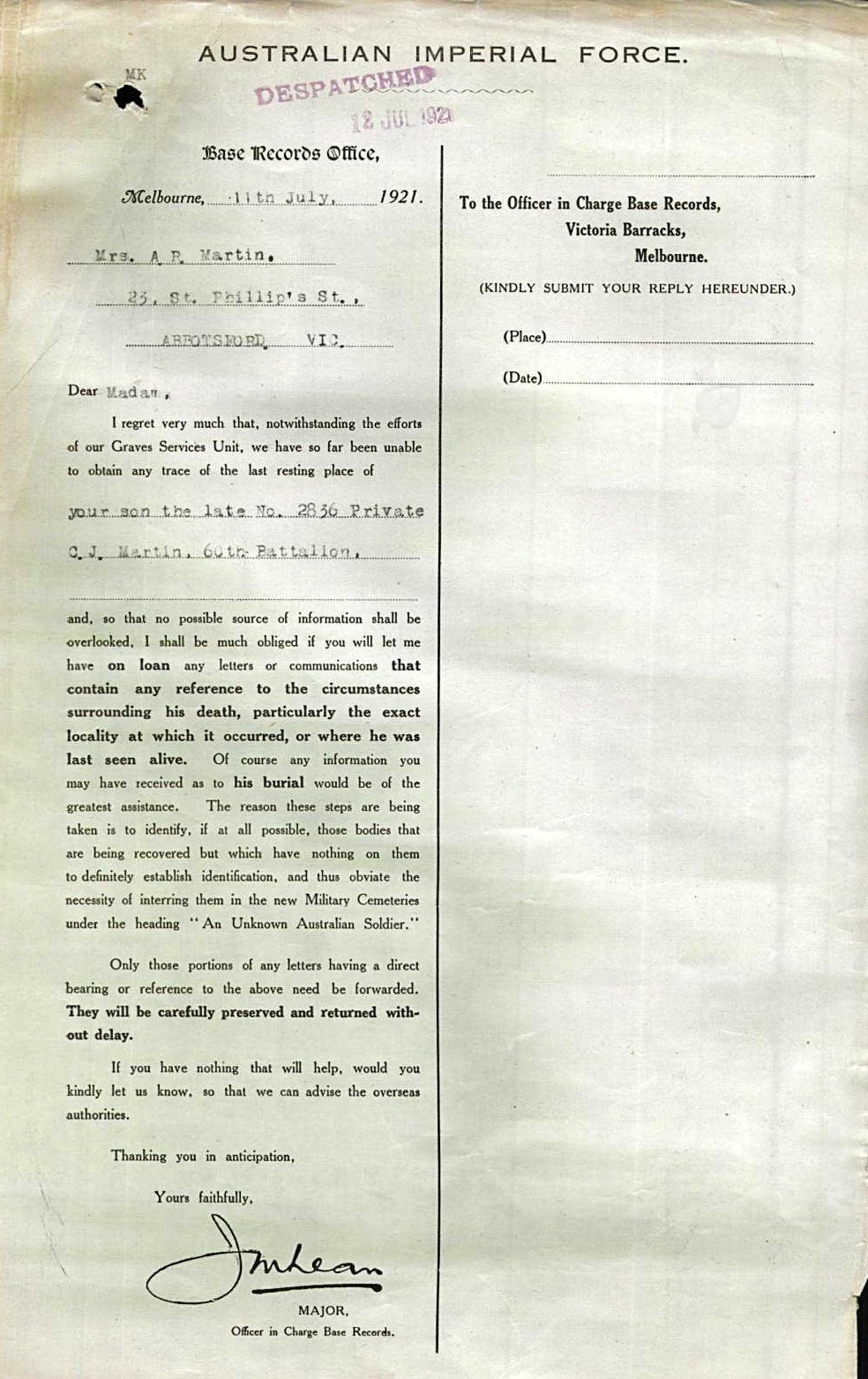
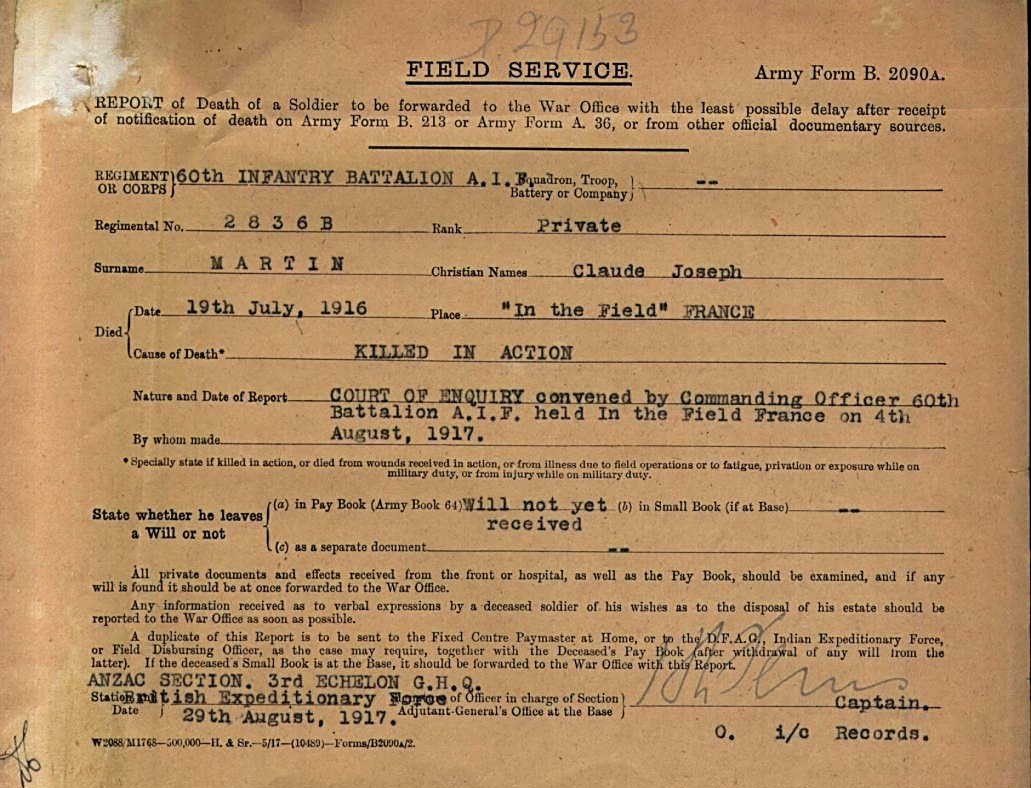
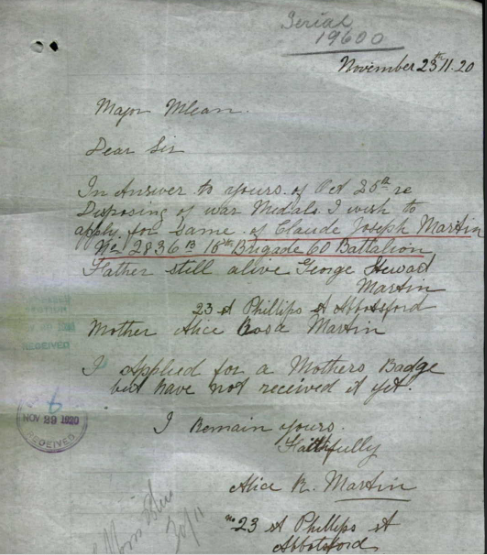
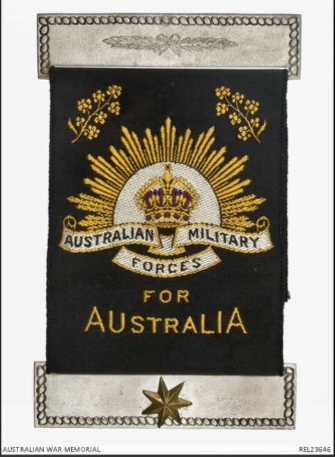
She still hadn’t received a Mother’s Badge. However, did Alice keep her composure?
I was delighted when I saw that someone with a public tree on Ancestry had a photo of Alice Rosa, taken later in her life with her husband. It was so good to see the face behind this story.
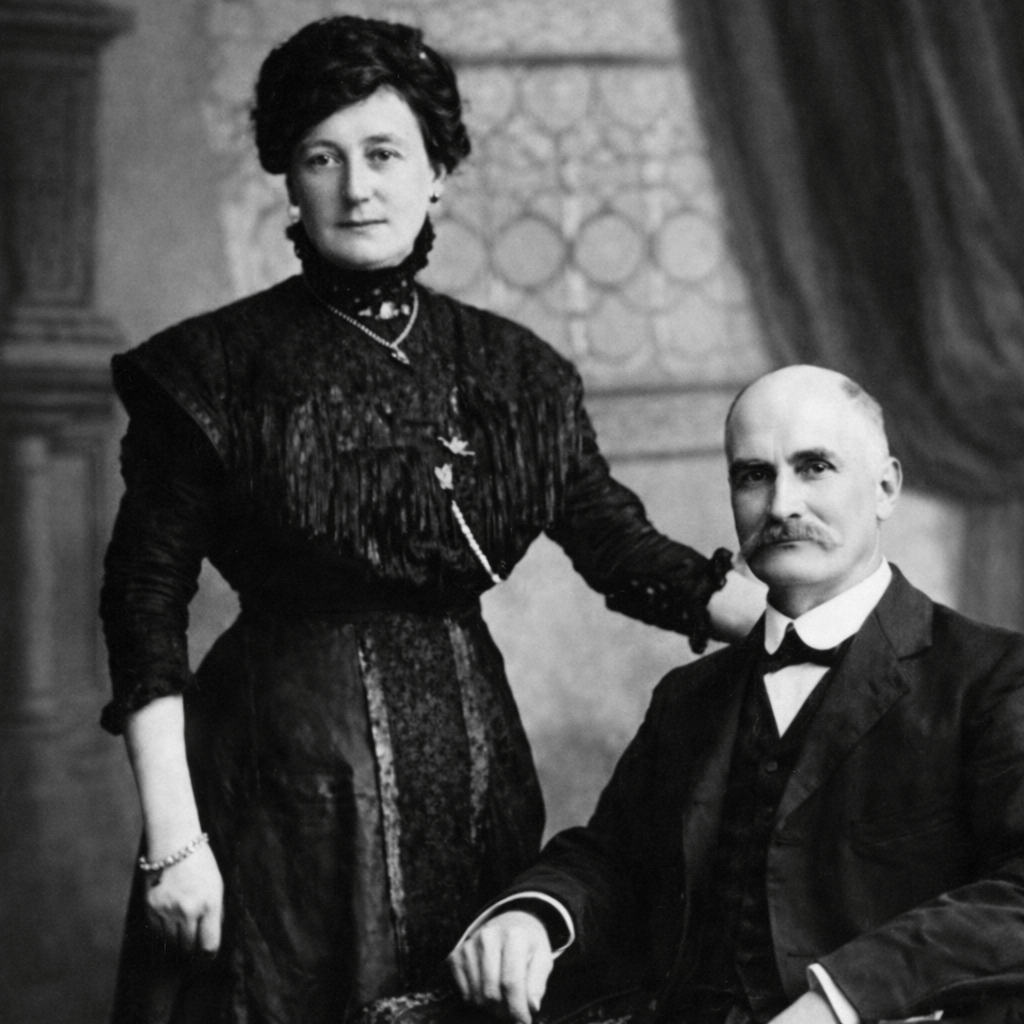
Later in 1928, Alice lost her husband, George Stewart Martin, after 46 years of marriage.
Further sorrow followed when her daughter May Theresa died in 1932 at the age of 44. May had never married.
Through all of this, Alice Rosa Aldridge endured. She had lived through the death of her mother, father, husband, multiple children, and the upheavals of a growing nation and a world at war.
She died on 26 July 1945 in Thornbury, Australia, at the age of 82, the same year the Second World War came to an end.
Alice had several grandchildren, ten that I have found so far, and she would hopefully have found some joy from watching them grow up, as her own grandparents, Edward and Catherine Cole, had with her.
She was buried in Parkville, Melbourne, in the same city where so many chapters of her family’s story had unfolded.
Here’s the public family tree that I have compiled on Ancestry: Cole Family Tree
Alice’s life sits at the centre of a remarkable generational journey:
From rural Devon and Cornwall…
To migration across the world…
To the building of a new life in colonial and then modern Australia…
Her story is one of endurance, family continuity, and the realities of life across the 19th and early 20th centuries, where hope and hardship were always closely intertwined.

You can contact me either by commenting here or via email at lynnswaffles@gmail.com
Till next time then……….

