I was fortunate to acquire this small collection recently, all from a single family, the Duffs, spanning several generations. The photos I have are lovely, and I’ve been able to identify almost everyone now.
As I began researching them and building a family tree, I discovered that their history is particularly fascinating and has been documented over many decades.
I have combined my own research into the members of this family to confirm and also correct some errors in these family histories* and enable me to tell their stories as accurately as I can.
* Mainly sourced from the genealogical work The Book of the Duffs Vol 2, by Alistair and Henrietta Tayler, published 1914.
The Duff Family. A Historical Chronicle.
In the old county of Perthshire, where the hills roll softly into mist and memory, the Duff family carried a history as rugged and unpredictable as the land itself. They were said to be descended from the Duffs of Findowie, a “broken clan,” some would say, but as Margaret Low’s father once warned, “dangerous devils to meddle with.”
Beginning with Alexander Duff of Findowie and Drummore around 1715, following the generations of the family through political upheaval, migration, enterprise, and global expansion across the nineteenth century.
From him descended a line of men and women who would carry the Duff name across Scotland and eventually, around the world.
His descendants remained closely connected with the lands and traditions of Perthshire. Like many Highland families, their lives were influenced by the political struggles of the Jacobite era.

Traditional Scottish boys’ & girls’ naming patterns:
The family’s first son was named after his paternal grandfather.
The second son was named after his maternal grandfather.
The third son was usually named after his father.
The family’s first daughter was named after her maternal grandmother.
The second daughter was named after the paternal grandmother.
The third daughter of the family was named after her mother.
This pattern often explains the repeated names such as James, John, Thomas, Daniel, William, Margaret, Janet and Jean in the Duff families. Also, the names Daniel & Donald, Peter & Patrick, Janet & Jessie were the same in Scotland
Because of this, it takes a good while to untangle the various families, and I probably haven’t got everything correct, but I have done my best!
Family Stories.
One of Alexander Duff‘s descendants was James Duff of Findowie, who married Janet Menzies of Shean.
The couple lived during one of the most turbulent periods in Scottish history. After the defeat of the Jacobite army at the Battle of Culloden in 1746, government troops swept through Perthshire in search of Jacobite sympathisers.
During this dangerous time Janet Menzies hid in a cave in Strathbraan. There she gave birth to her eldest son, William Duff. Because of the circumstances of his birth, the event was never officially recorded and the exact date was later lost.
James and Janet had several children, including William, Thomas, Daniel, and Peter of Perth, along with daughters who married into the McGowan, Brough, and Kippen families.
Eldest son William Duff, born around 1746, died in 1809 and was buried near Rosslyn Castle. He had married twice. His first wife, whose name is now unknown, bore him several daughters. His second wife, Janet Menzies (family or a different branch of Menzies to his mother? Janet & Menzies were both fairly common in Scotland), bore him four sons.
William Duff lived a life marked by hardship and resilience. He became entangled in political and financial trouble after helping friends who operated illicit whisky stills and resisted government excise officers.
Unable to pay a heavy fine imposed upon him, a warrant was issued for his arrest. William fled and found refuge with a friend named Reid at Rosslyn, where he concealed himself by working as a watchman at Reid’s mills.
William used to say that in any case, he was “not so far down as the old Duke of Perth, who was forced to take work in an English coal mine after Culloden.”
The Whisky Smuggler’s Escape.
One, Thomas Duff, was wanted by excisemen.
But fate, and family, intervened.
When officers arrived at Daniel’s house in Dundee, they mistakenly arrested the wrong Thomas, Daniel’s brother, seated quietly at tea.
As the man prepared to resist, Daniel leaned in and whispered:“Go quietly, let them take you.”
And so he did.
The real fugitive escaped to Canada, while the innocent Thomas endured prison in Perth, only to later sue the Excise and win damages for false imprisonment.
It was a story retold for generations: clever, dangerous, and fiercely loyal, just as the old Jacobite had said.
Emigration of the Duffs.
It was in 1829, as economic hardship pressed upon many Highland families, that two of Daniel Duff’s brothers, two first cousins, and several others emigrated to Canada; Daniel was then residing in Dundee, and, as about thirty of the emigrants sailed from there, he found accommodation for them before setting out. Among them were men with a past as illicit distillers and whisky smugglers.
The descendants of the two sons of one brother, Thomas, namely John and James (who married a daughter of his uncle William by his first wife), settled at Esquesing, near Georgetown, Ontario, Canada.
Thomas also had some family relics he took with him that he had borrowed from his elder brother, William, to wear at a county meeting and never returned.
These items included a leather shield adorned with silver studs, which was used by the ancestor of the family during the Battle of the Clans on the North Inch of Perth in 1396.
There was also an old broadsword with a broken blade, engraved on the handle with the name “Duff of Findowie.”
In addition, a bonnet crest featuring the motto “Touch not the cat but the glove” was worn by John Duff of Findowie when he travelled to Edinburgh during the time of the anticipated declaration of war by James VI against Queen Elizabeth, due to her betrayal of Queen Mary.
Another relative, John Duff, later travelled to South Africa with his third son, Thomas, around 1850, establishing yet another branch of the family abroad. Thomas settled in Durban and had three sons, Harry, John, and Thomas.
The Brothers of a Fading Line.
So, it was Daniel’s branch alone that carried the Duff name forward in Scotland.
Fire, Fortune, and Dundee.
Daniel built a vast enterprise in Dundee, engineering works, flax-spinning, and jute mills, said to be the largest of their kind in the world. For a time, the Duff name stood for industry and progress. But fortune is fickle.
A devastating fire swept through the works, reducing them to ruin and nearly destroying the family’s livelihood. From that day, the Duffs learned that prosperity could vanish as quickly as smoke on the Tay.
Each life carried a fragment of the Duff legacy, some marked by promise, others by loss.
Daniel Duff remained in Scotland and became associated with Logiealmond and Dundee. He married Margaret Low, a member of another old Perthshire Jacobite family.
Daniel and Margaret had a large family, ten children I’ve confirmed so far:
1 Robert Low Duff, b 8 March 1824, d 4 Jan 1893, later in business as a Grocer in Liverpool. He married Jane; I’ve not found any children of the couple.
2 Patrick Brown Duff (1825–1826), who died in infancy.
3 Thomas Duff, b 24 January 1829, d 12 October 1896, more on him later.
4 Janet Menzies Duff, b 25 March 1831, a poetess who died unmarried in London in 1852.
5 Margaret Duff, b 21 Dec 1832, who died young.
6 Mary Menzies Duff, b. 15 Dec 1834, who died suddenly in Liverpool on 2 Dec 1903. She never married.
7 Anne McDonald Duff, b 15 February 1837, d 1837.
8 Daniel (Donald) Duff, b 3 January 1839, who emigrated to America in 1863 (cannot confirm this, as there are too many possible Duffs on Transport and Immigration lists)
9 William Duff (1841–1863), who spent most of his life serving in India with the 78th Highlanders, and during the Indian Mutiny, was washed overboard from the ship Edith Burn on 18 January 1863. (Have not been able to confirm this)
10 John Duff (born 1844) was a mechanical engineer and machinery inspector, later lived in Dublin and was the keeper of the family’s history. (He is a member of the Glassite or Sandemanian Church, and is our authority for the history of this branch of the Duff family)
(Taken from the genealogical work The Book of the Duffs Vol 2, by Alistair and Henrietta Tayler).
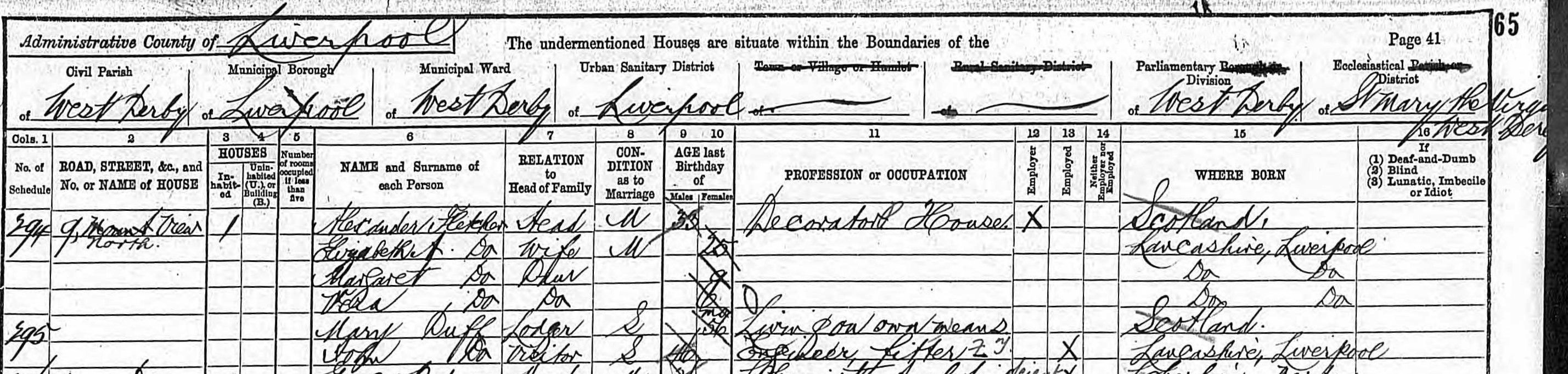
The couple didn’t have the luxury of being able to access the census or other records online as we do now. It was 1996 when Ancestry began sharing records online, something we tend to take for granted now.

Alistair and Henrietta had written this note at the foot of one page of their book:
Margaret Low, who also belonged to a Perthshire Jacobite family, remembered, when a young girl, about the year 1822, hearing her father and Lady Nairne discussing whether Jacobites should pray for the ruling monarch.
Lady Nairne affirmed that they should, on the principle that’ the powers that be are ordained of God.’ Then, Caroline replied to the other, ‘You should pray for the devil also, for he is one of the powers that be, and, moreover, he is a great crony of George Guelph’s, and they both go about like lions, seeking whom they may devour.’
For this story, as well as for much of the family’s history, we are indebted to Margaret Low’s sixth son, John Duff.
Thomas Duff of Aberlour: A Rise Renewed.
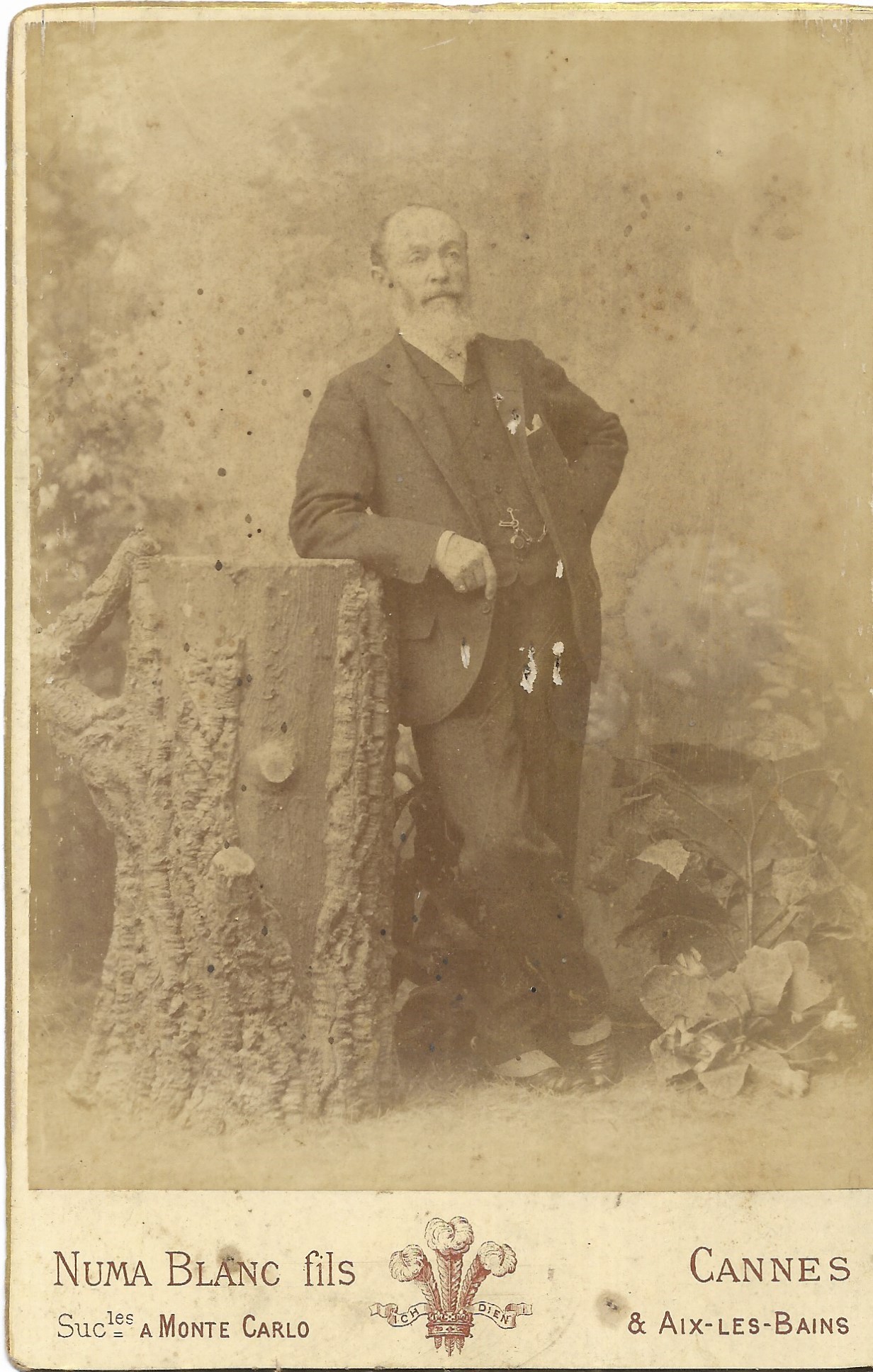
Thomas Duff, the third son, born in 1829, became the most prosperous member of this branch of the family. A successful businessman, he owned several estates, including Garth in Perthshire, Aberlour in Banffshire, Harefield in Hampshire, and a villa in Cannes. The first photo in my collection was obviously taken while Thomas was staying in Cannes.
On his death on 12 October 1896, he was described as the Laird of Aberlour. He died at Butterstone House, Caputh, Perthshire, Scotland.
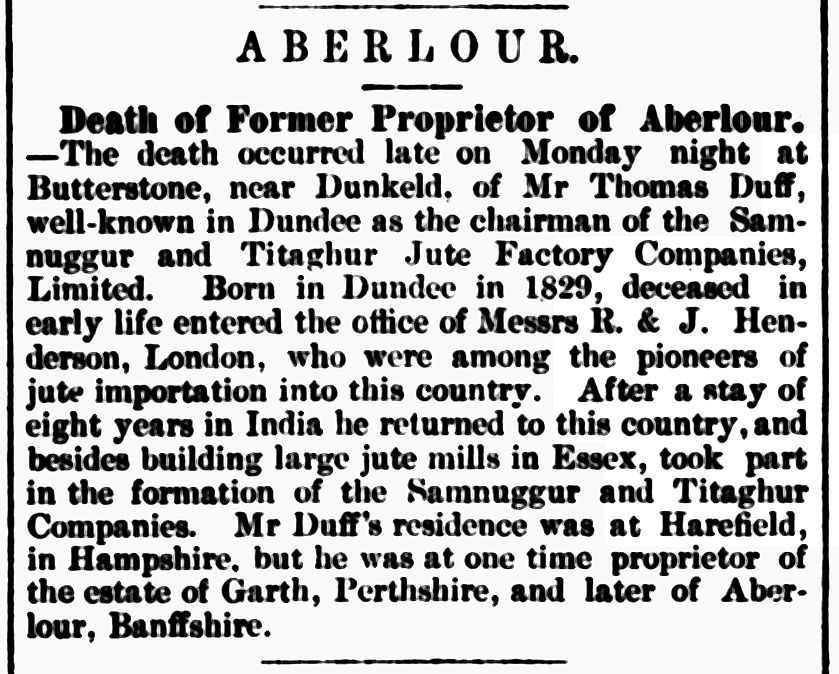
Thomas Duff began his career working in international trading houses, including Hendersons in Liverpool, which dealt in overseas commerce.
In 1858, he became associated with the Borneo Company, one of the largest British trading firms operating in Asia.
While with the Borneo Company, he helped manage the Barnagore jute mill near Calcutta, gaining firsthand experience of the growing Bengal jute industry.
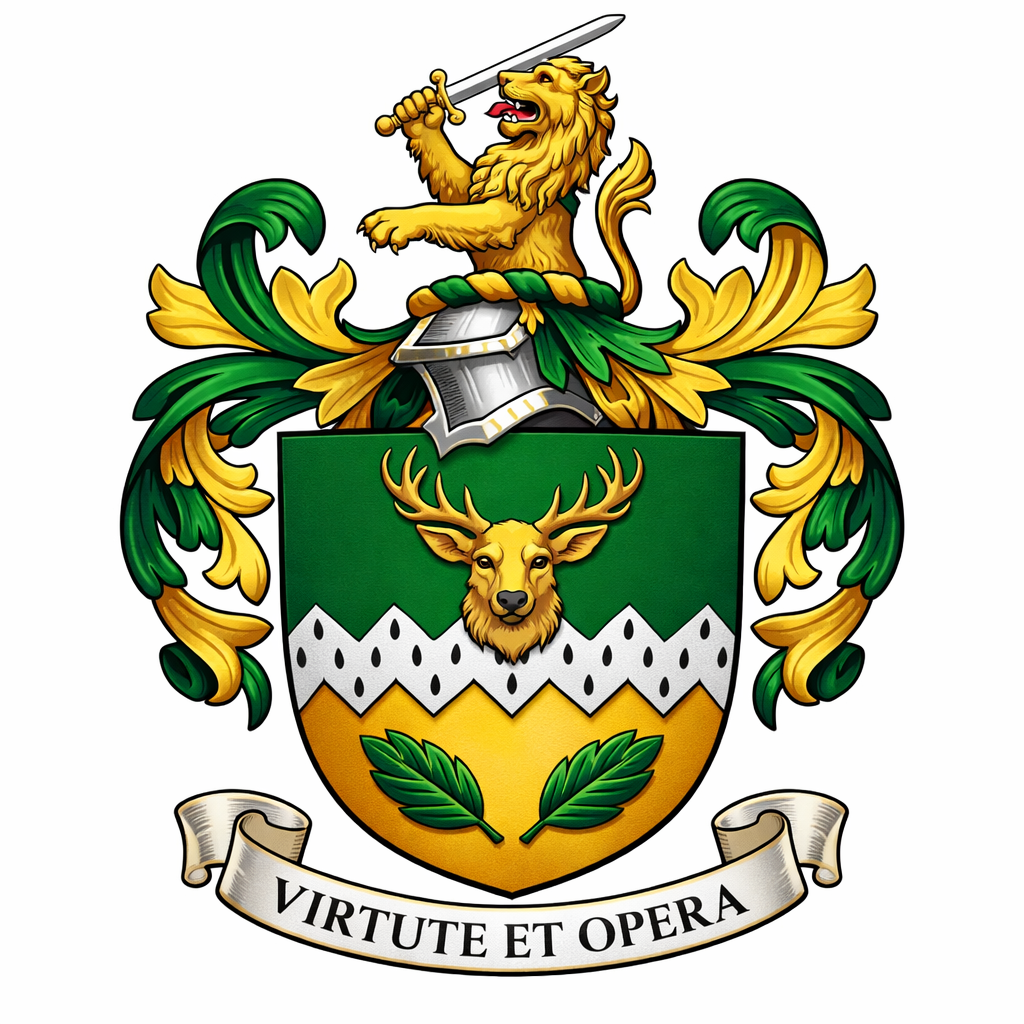
In 1865, while living at Barnagore House in Richmond, Surrey, Thomas formally matriculated his coat of arms.
He took a part of the arms of Keithmore as follows: ‘Thomas Duff of Richmond, Surrey, 1865, Parted per fesse vert and or, a fesse daneetty ermine, between a stag’s head cabossed in chief of the second, and two laurel leaves in base of the first.’ ( Heraldry).
Thomas married Mary Martha Byles on 26 September 1855, registered in Hackney, Middlesex, England. They had three sons and eight daughters, that I can confirm.
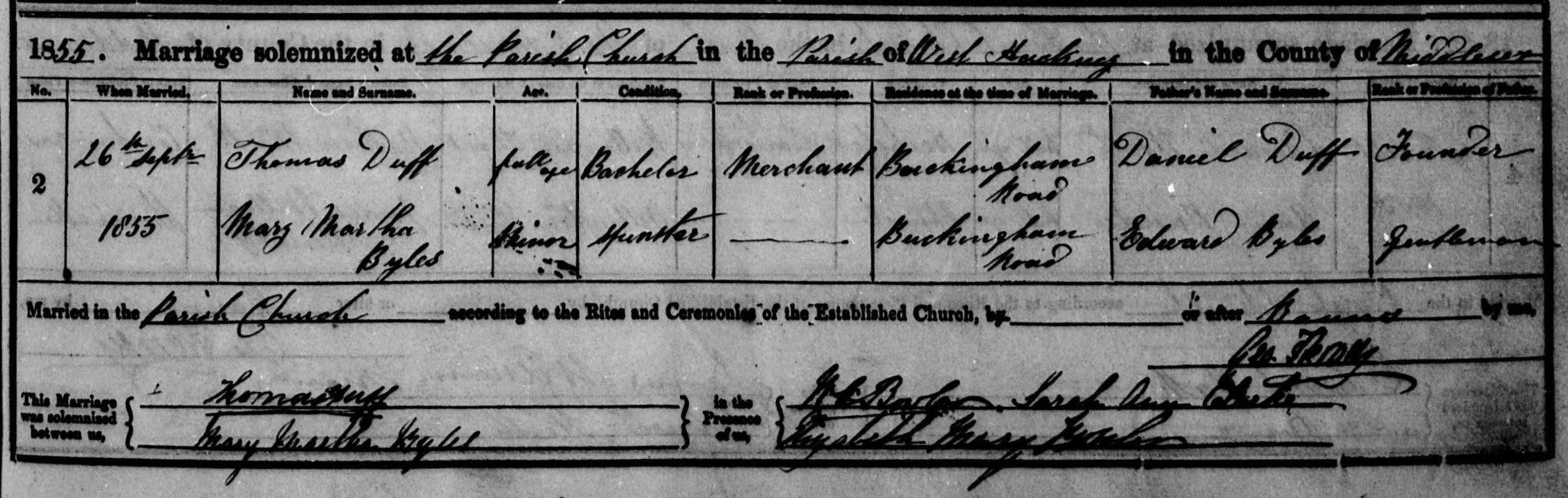
Mary Martha Byles was born on 6 April 1835, the daughter of Martha and Edward. They had 11 children in 21 years. She died on 13 September 1896 in Dunkeld, Perthshire, at the age of 61.

Children of Thomas Duff & Mary Martha Byles.
1 Mary Elizabeth Byles Duff
Born Sep 1856, Edmonton, Middlesex, England.
Died 25 Feb 1870, aged 13 years at Gwynne House, Woodford, Essex, England.
2 Thomas Herbert Knowles Duff
Born 28 May 1858, Dum Dum, Bengal, India
Died 2 May 1900, 51 Easter Rd, Edinburgh, Scotland. It looks likely he had one son, Percy Hamilton Hill, in 1877, with Emmeline Hill. He then married Martha Dunscombe Johnston and they had one son, Kenneth Dunscombe Johnstone Duff, together. He died on 2 May 1900 in Edinburgh, Midlothian, Scotland, at the age of 41.
3 Walter William Duff
Born 7 Dec 1860, Calcutta, Bengal, India.
Died 31 Jan 1933, St Andrews, Fife, Scotland. More later.
4 Martha Ellen (Nellie) Duff
Born 15 Jun 1862, Richmond, Surrey, England.
Died Oct 1952, Totnes, Devon, England. More later.
5 Edward Byles Duff
Born 20 Nov 1863, Dum Dum, Bengal, India.
Died after 1901.
6 Catherine Emma Duff
Born 20 Dec 1865, Reigate, Surrey, England. Catharine Emma married Henry Pierce Cuthbert, 1863-1922, on 28 March 1894. They had four children during their marriage.
Kathleen Blythe Duff Cuthbert, 1895-1947,
Henry Kenmore Duff Cuthbert, 1896-1914. Henry was a Midshipman on the HMS Good Hope. He died on 1 November at the Naval Battle of Coronel off the coast of Coronel, Chile, in World War I.
Most of the casualties were the crews of two ships:
HMS Monmouth, about 730+ crew killed, and HMS Good Hope, about 900+ crew killed. Henry is remembered on the Portsmouth Naval Memorial.
Third born was Jean E D Cuthbert b1898, and then Robert Lovat Duff Cuthbert 1899-1982. Who emigrated to Canada and married there in 1935.
Catherine died on 15 December 1949 in Moulin, Perthshire, at the age of 83, and was buried in Pitlochry, Perthshire.
7 Jessie Duff
Born Jun 1869, Woodford Bridge, Essex, England. Never married.
Died 22 Sep 1934, Llandrindod Wells, Radnorshire, Wales.
8 Mary Margaret Duff
Born Jun 1870, Woodford Bridge, Essex, England. She married James George Johnstone, then Percy McLean Still, in 1901 and had one son, Henry McLean Duff Still, b. 1903, d. 2001, in Baltimore, USA.
Died 11 Oct 1919, Brighton, Sussex, England.
9 Elizabeth Duff
Born Jul 1871, West Ham, Essex, England.
Death unknown.
10 Gertrude Duff
Born 1874, Forkeyall, Perthshire, Scotland.
She was living in Herefordshire in 1911, unmarried.
11 Henrietta Duff
Born 28 November 1877 in Forkeyall, Perthshire, Scotland. By 1881, when she was only four, she was living far from her birthplace in Elgin, Moray, recorded in the census with her family.
In September 1896, when Henrietta was 18, her mother, Mary Martha, died in Butterstone, Dunkeld, at the age of 61. Only a month later, tragedy struck again when her father, Thomas Duff, died on 12 October 1896, aged 67. Within weeks, Henrietta and her siblings had lost both parents.
By 1901, she had moved south to Folkestone, Kent, recorded as a boarder living at a lodging house with her sister Gertrude, living far from the Scottish hills of their childhood.
A happier chapter began in October 1903, when 25-year-old Henrietta married Owen Randal Slacke at St Peter’s Church in Croydon, Surrey. Owen was a Vicar, a few years older, and became her partner for the next 37 years. Together, they began building a family of their own.
Their first son, Randal Earl Slacke, was born in Croydon on 9 October 1904. Three years later, on 29 March 1907, their second son, Donald Owen Duff Slacke, arrived in Amersham, Buckinghamshire.
A few years later, by 1923, Henrietta and Owen were living at The Rectory in Newbury, Berkshire, her life now firmly rooted in England.
But one of the greatest heartbreaks came in 1927. Her eldest son, Randal Earl, died in India at just 22 years old.
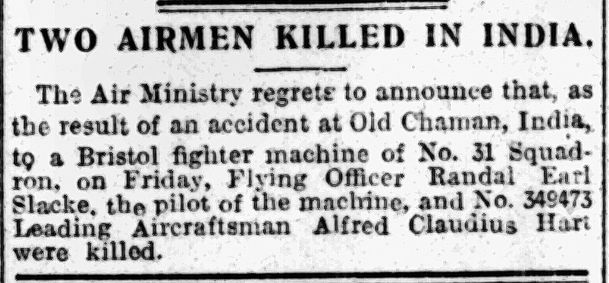
By 1939, she and Owen were still together in Herefordshire, recorded as married and living on private means, perhaps enjoying the calm of later life after decades of change.
In 1940, after 37 years of marriage, Henrietta lost her husband, Owen Randal Slacke, who died in Wokingham, Berkshire, aged 69. She faced widowhood with the same quiet strength she had shown throughout her life.
The later years brought the final farewells to the remaining sisters of her childhood: Catherine Emma Duff in 1949 in Moulin, Perthshire, and Martha Ellen (“Nellie”) Duff in Totnes, Devon, in 1952.
By then Henrietta was one of the last of her generation.
In 1958, after a long life that had stretched from the Victorian era into the modern world, Henrietta Duff died in Windsor, Berkshire, aged 81. Her youngest son, Donald, died in Wash Water, Nr Newbury, Berkshire on 25 February 1987.
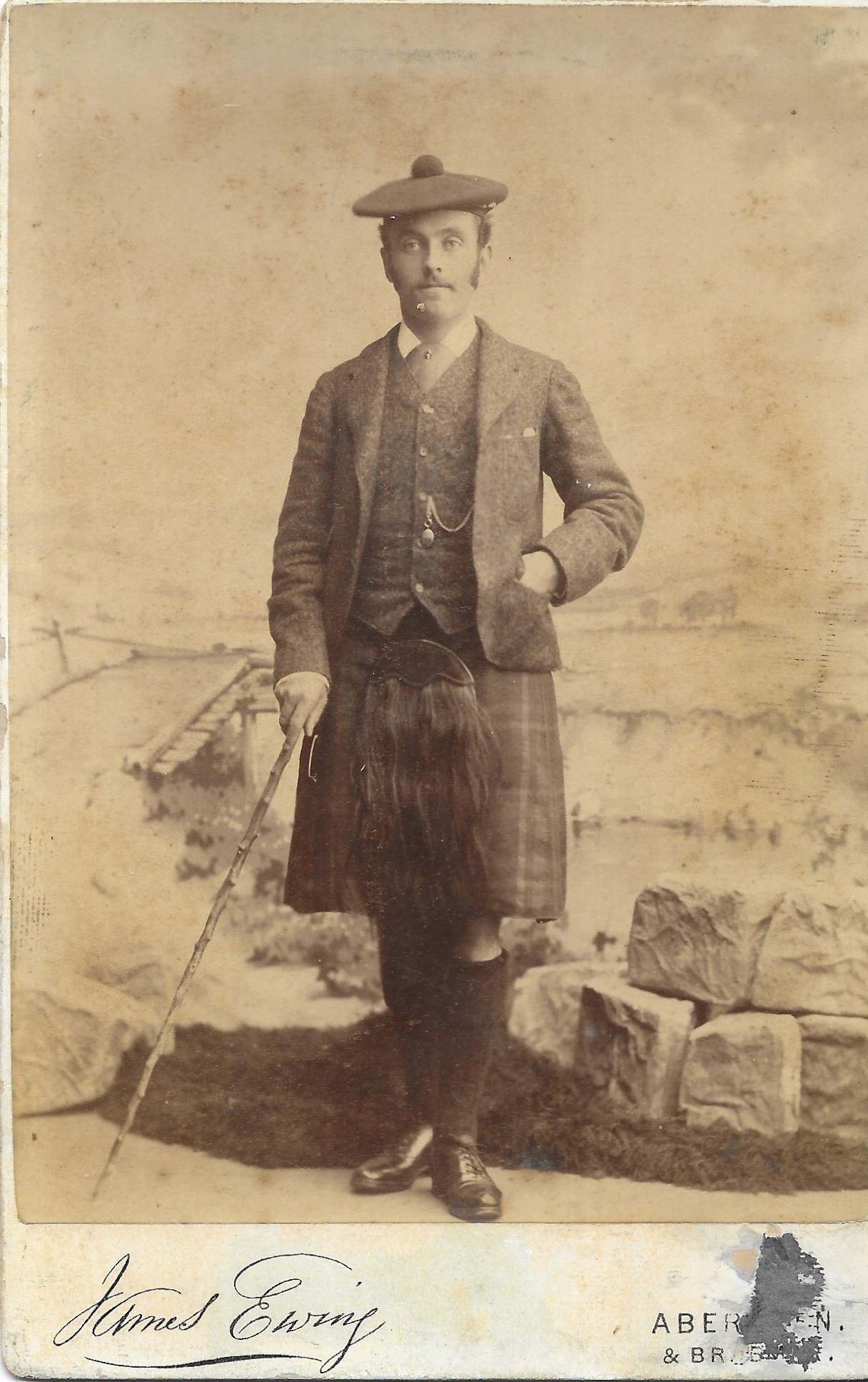
Third born Walter William Duff, above, later became the owner of the Summaggur Jute Works in Dundee.
The Story of Samnuggur and the Dundee Jute Men.
In the 1870s, when the Scottish city of Dundee was known as the “Juteopolis” of the world, merchants and industrialists there were already looking eastward toward Calcutta in Bengal, where the raw jute fibre was grown.
Transporting huge quantities of jute across the oceans to Scotland was costly. Some Dundee businessmen realised that if the mills were built close to the source of the fibre, production could be much cheaper. Out of this idea emerged several British-owned jute mills in India.
One of these was the Samnuggur Jute Factory Company Limited, founded in the late 1870s to operate a mill at Samnuggur in Bengal, near Calcutta. Though the mill itself stood thousands of miles away in India, the capital and control came largely from Dundee.
The company was organised as what historians later called a “free-standing company” a firm based in Britain that owned and ran industrial operations overseas.
For the first few years, the Samnuggur company operated under its own board of directors, composed mainly of Dundee merchants involved in the jute trade. But by 1883, a powerful Dundee engineering and industrial firm became closely involved in the running of the mill.
That firm was Thomas Duff & Company Ltd.
It had been founded in 1883 by Thomas Duff (1829-1896), who had previously worked as a manager for the Borneo Company, a large trading firm involved in colonial commerce.
The firm was created primarily as a “managing agency” for jute manufacturing companies operating in Bengal.
Thomas Duff & Co acted as managing agents for the Samnuggur Jute Factory Company. The agency system was common in the Bengal jute industry.
The agents in Dundee handled finances, machinery orders, recruitment of managers, and the export of finished goods, while the factory itself operated in India.
From their offices in Dundee, Duff’s staff oversaw not only Samnuggur but also several other Bengal jute mills. Engineers designed machinery in Scotland, contracts were signed in Dundee boardrooms, and yet the looms themselves clattered away in the heat of Bengal.
Some of the important jute mills in the Calcutta jute belt along the River Hooghly, including:
Samnuggur Jute Factory Co.
Titaghur Jute Factory Co. (founded in 1883)
Victoria Jute Factory Co. (management taken over in 1888)
These mills were part of the huge jute export industry supplying sacks, hessian cloth, and packaging materials worldwide. By the early 20th century:
The mills under Duff’s management expanded dramatically in scale.
Loom capacity across their mills grew from a few hundred looms in the 1870s to nearly 5,000 by 1920.
The company helped develop new export markets, especially for hessian fabric, which became a major product.
Through the late nineteenth and early twentieth centuries, Samnuggur remained part of the expanding British controlled jute industry around Calcutta. The company continued under British ownership while its products sacks, yarn, and coarse fabrics, were shipped around the world.
Over time the network of companies linked to Thomas Duff & Company Ltd grew and merged with other industrial groups. By the mid-twentieth century the old Dundee-directed system of overseas jute mills was fading as global trade and political control changed.
Yet the story of Samnuggur remains one of the many threads connecting Dundee to India during the great age of the jute trade, an industry that tied together Scottish merchants, Bengal workers, and world commerce for more than half a century.
The Duff Family Around the World.
By the late nineteenth century, the Duff family had spread far beyond Perthshire. Branches lived in Canada, South Africa, America, India, New Zealand, Wales, England, and Scotland.
Their occupations ranged from engineers and soldiers to clergy, businessmen, and writers.
One notable relative was Alexander Duff, the well-known missionary. Daniel Duff of Dundee helped support his education at St Andrews when his family was in poor circumstances.
From the caves of Strathbraan during the aftermath of Culloden to estates in England and settlements across the globe, the story of the Duff family reflects the wider history of Scotland itself.
From hardship rose Thomas Duff (1829–1896), Daniel’s third son, a man who rebuilt what fire had nearly erased.
The Next Generation.
Thomas’s two sons carried the Duff name into a new era:
Thomas Herbert Knowles Duff, b 1857, d 1901.
Walter William Duff, b 7 Dec 1860, d 31 January 1933.
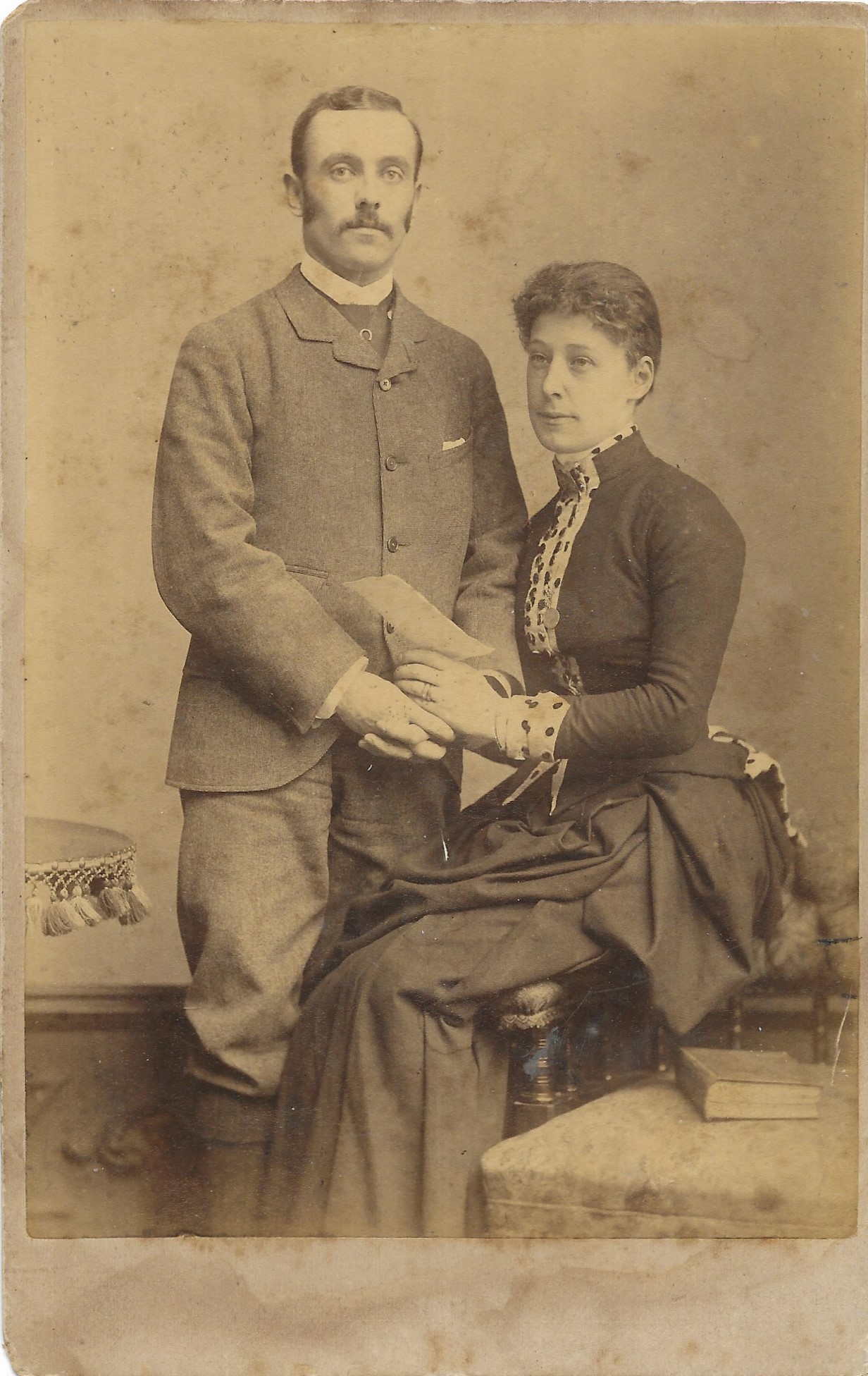
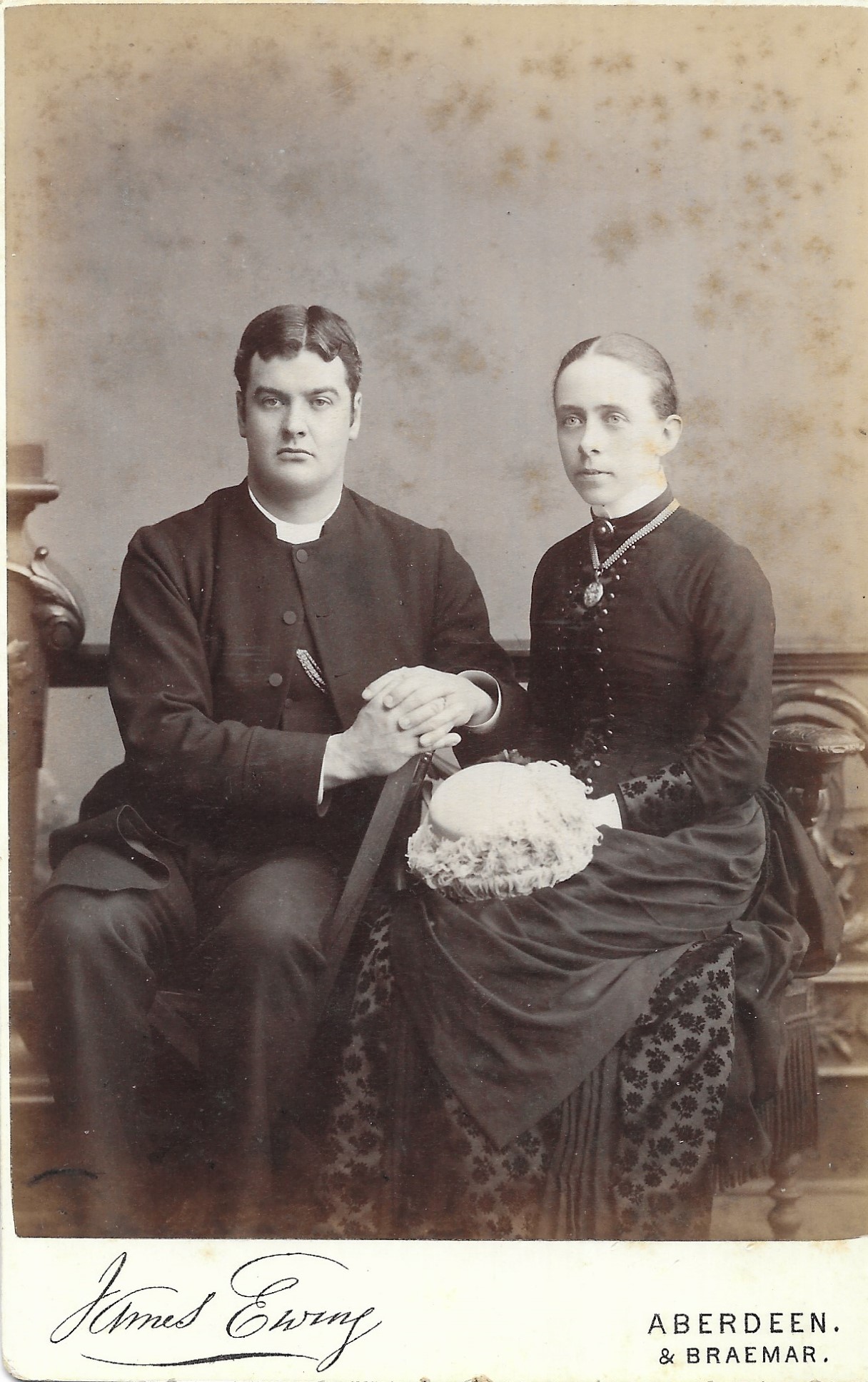
Owner of the Sumnaggur Jute Works in Dundee, continuing the industrial thread begun by his grandfather. Walter married the daughter of the Reverend S. Clark of Aberdeen, Zoe Clark, and they had one daughter and two sons, Walter Leonard Clark Duff 1887-1953, Zoe Mary Elise Gwendoline Duff 1888-1928 and Thomas Ronald Hilliard Duff 1890-1959. He later settled at St Andrews, Scotland.
I believe the photo above is definitely from around the time of their marriage, which was in Scotland in 1884. From my reference books: “The lady seated, and the man stands beside her, which was a standard formal arrangement for married couples. Their hands are joined together, with her hand resting over his. Photographers often used this pose to symbolise marriage or even engagement“.
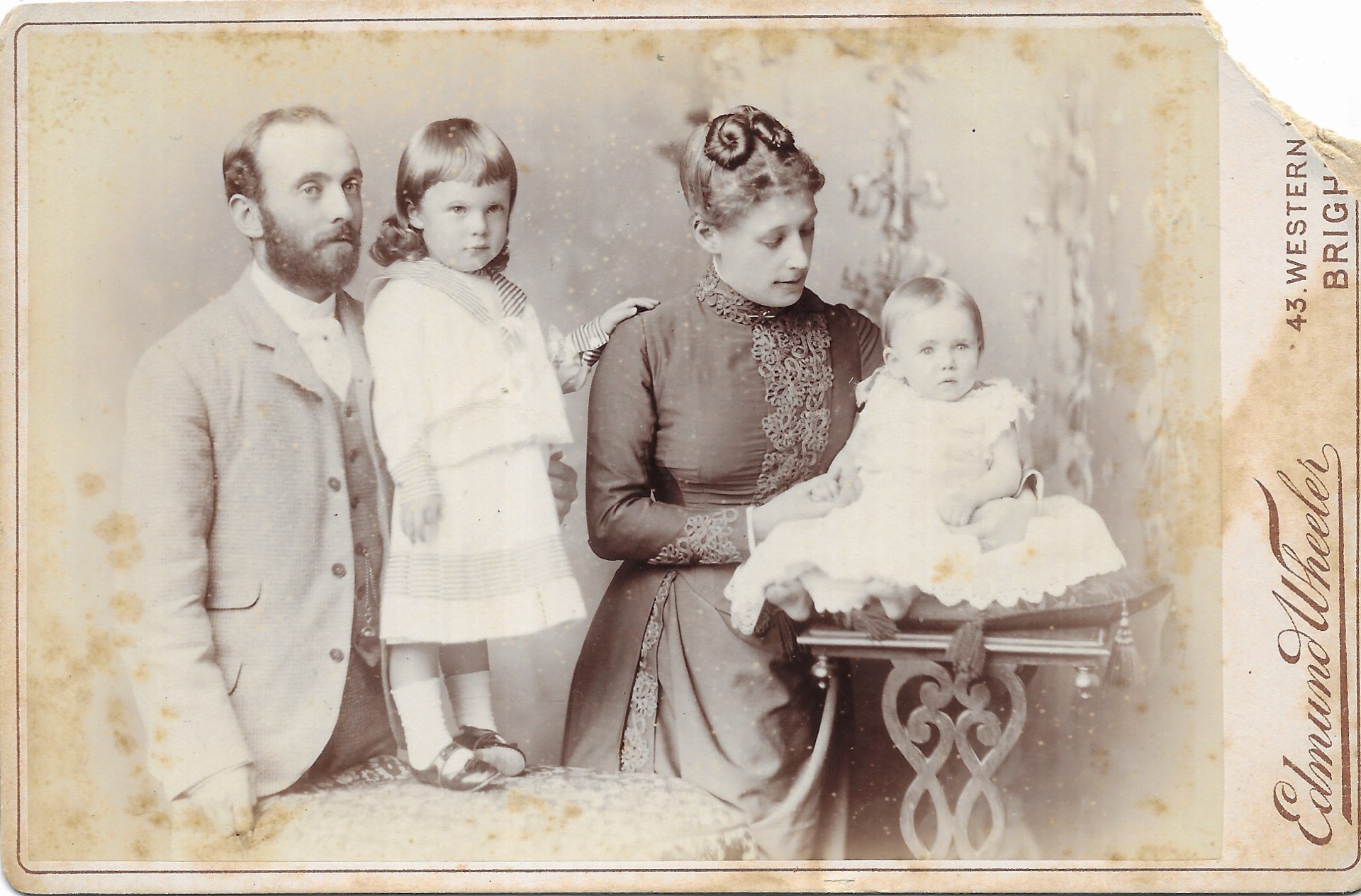
Thomas and Mary Duff’s fourth-born child Martha Ellen married the Reverend Gerald Owen Kildare O’Neill and settled in Eaton Bishop, in Herefordshire, a world of parish life, quiet duties, and English countryside calm. Her days were shaped by the rhythm of the church: Sunday bells, visits to parishioners, and the steady work of care.
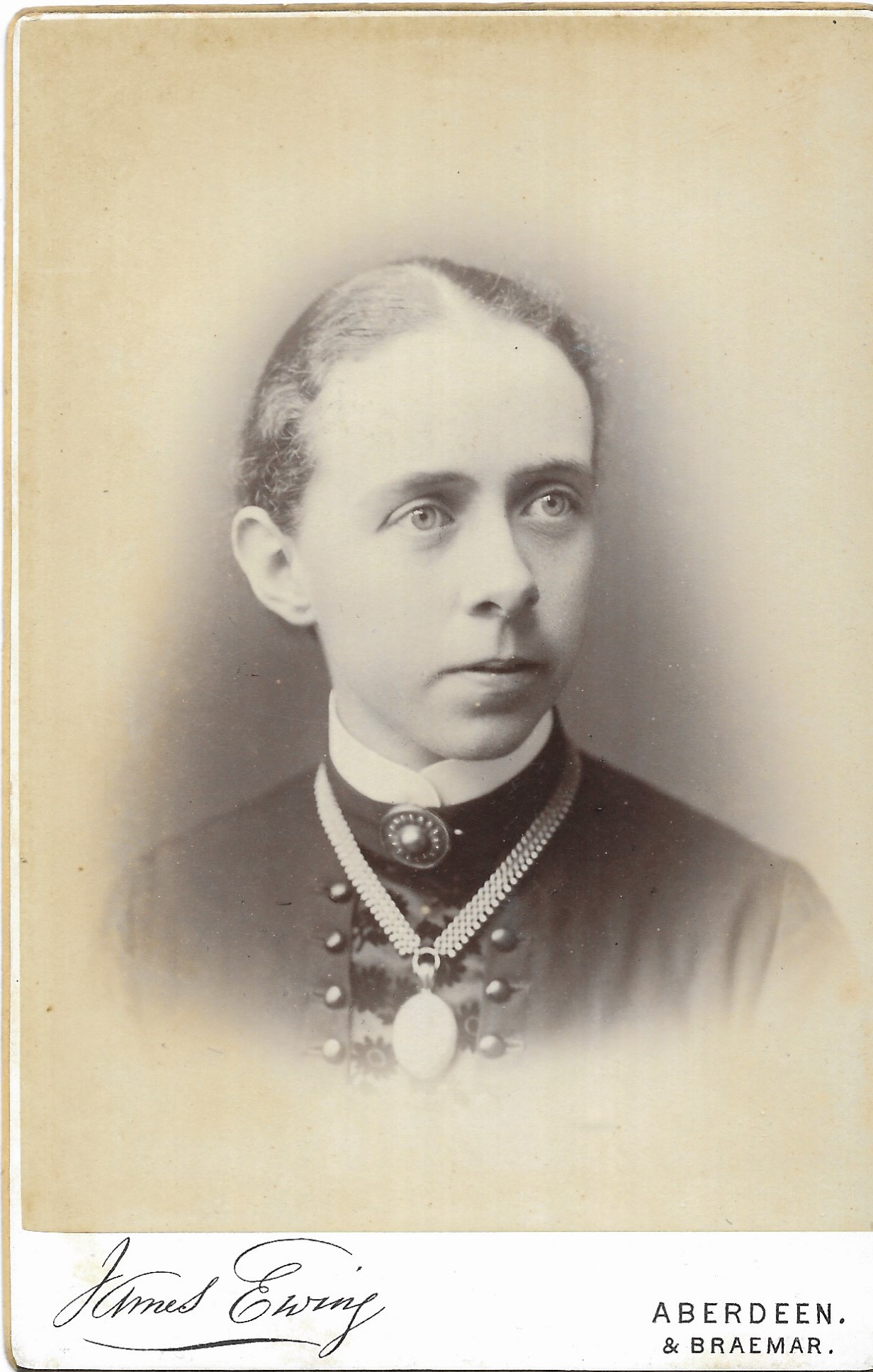
Martha Ellen (Nellie) Duff was born on 15 June 1862 in Richmond, Surrey. She married Gerald Owen Kildare O’Neill in November 1885 in Sidmouth, Devon.
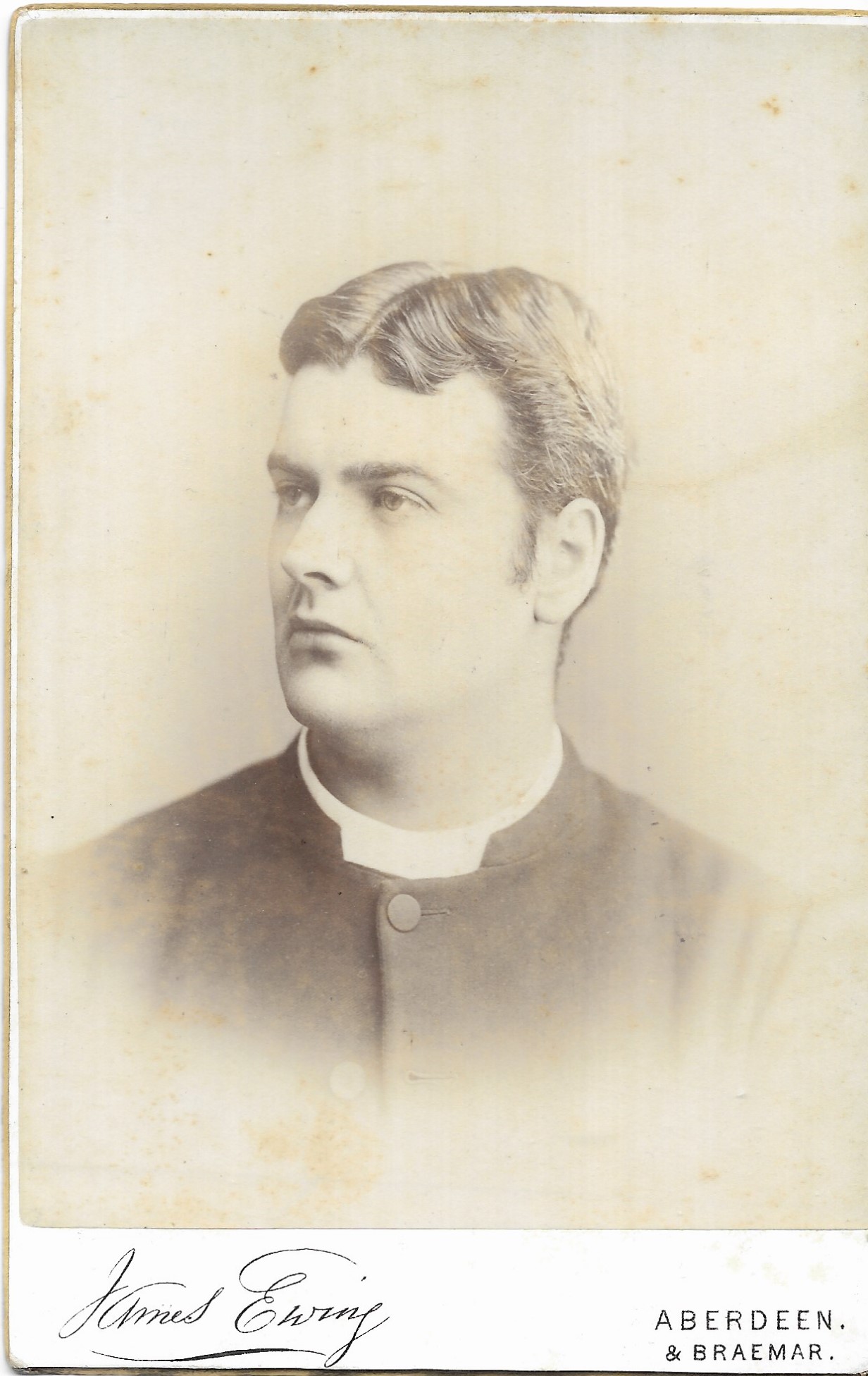
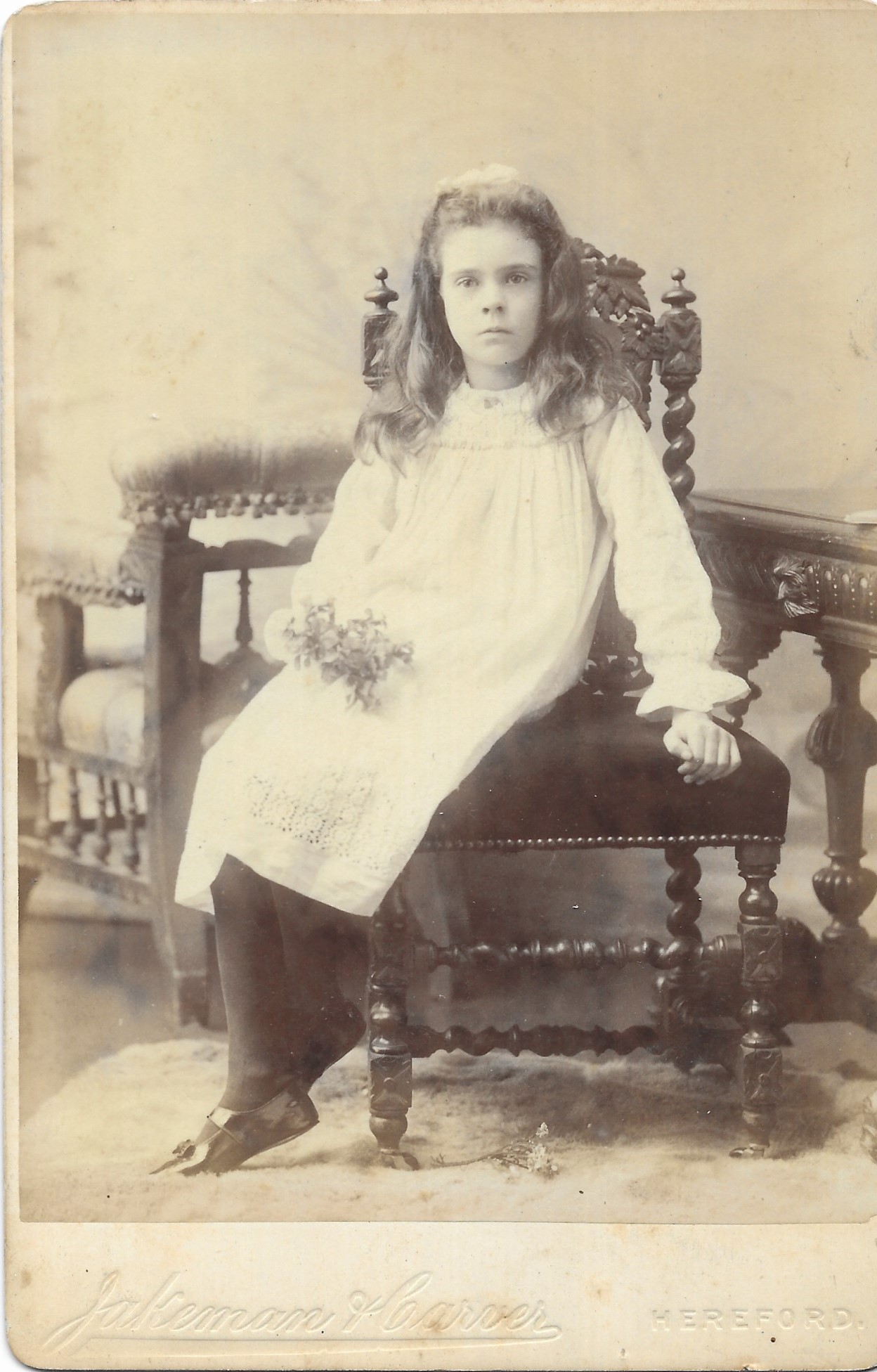
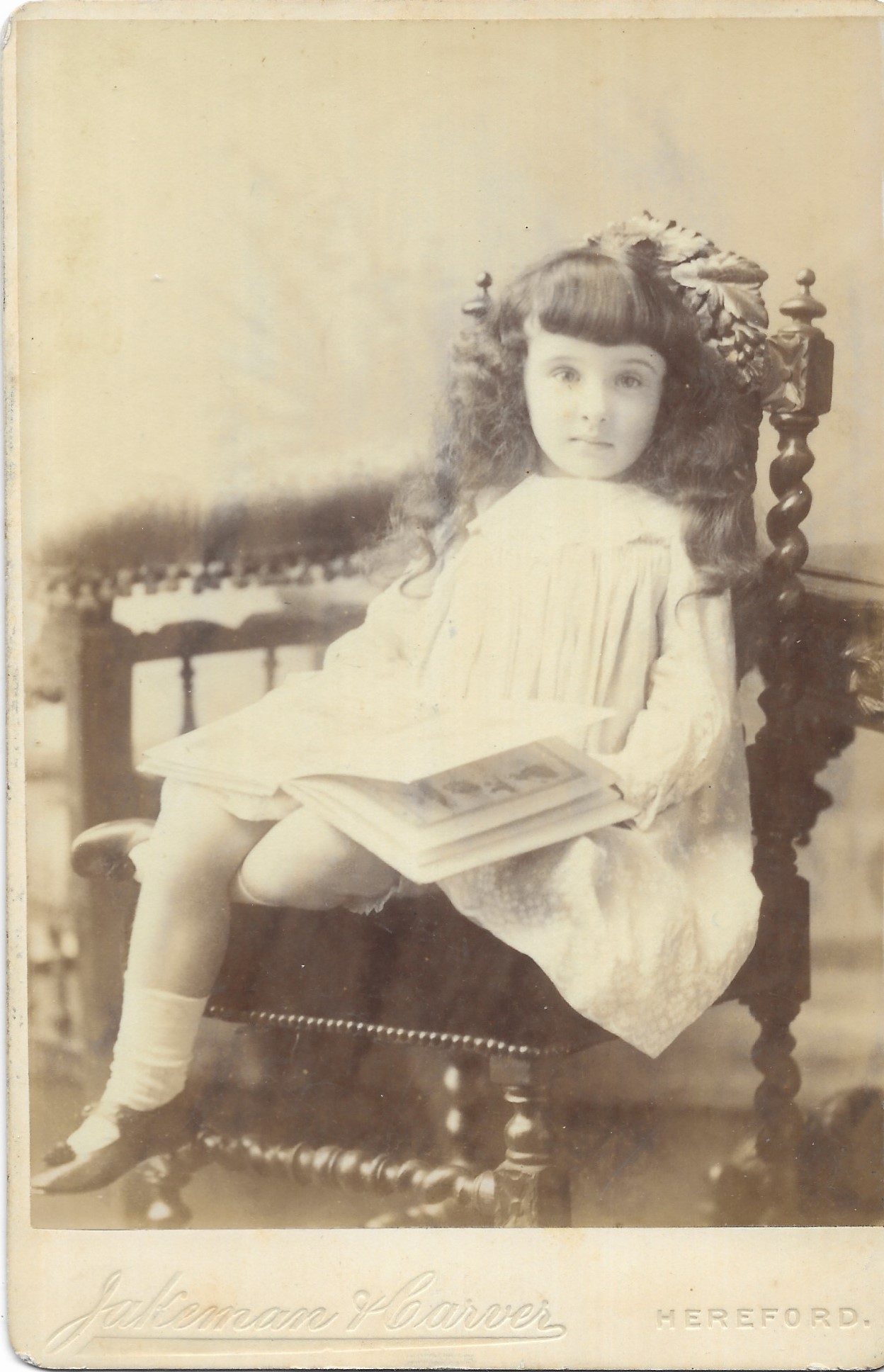
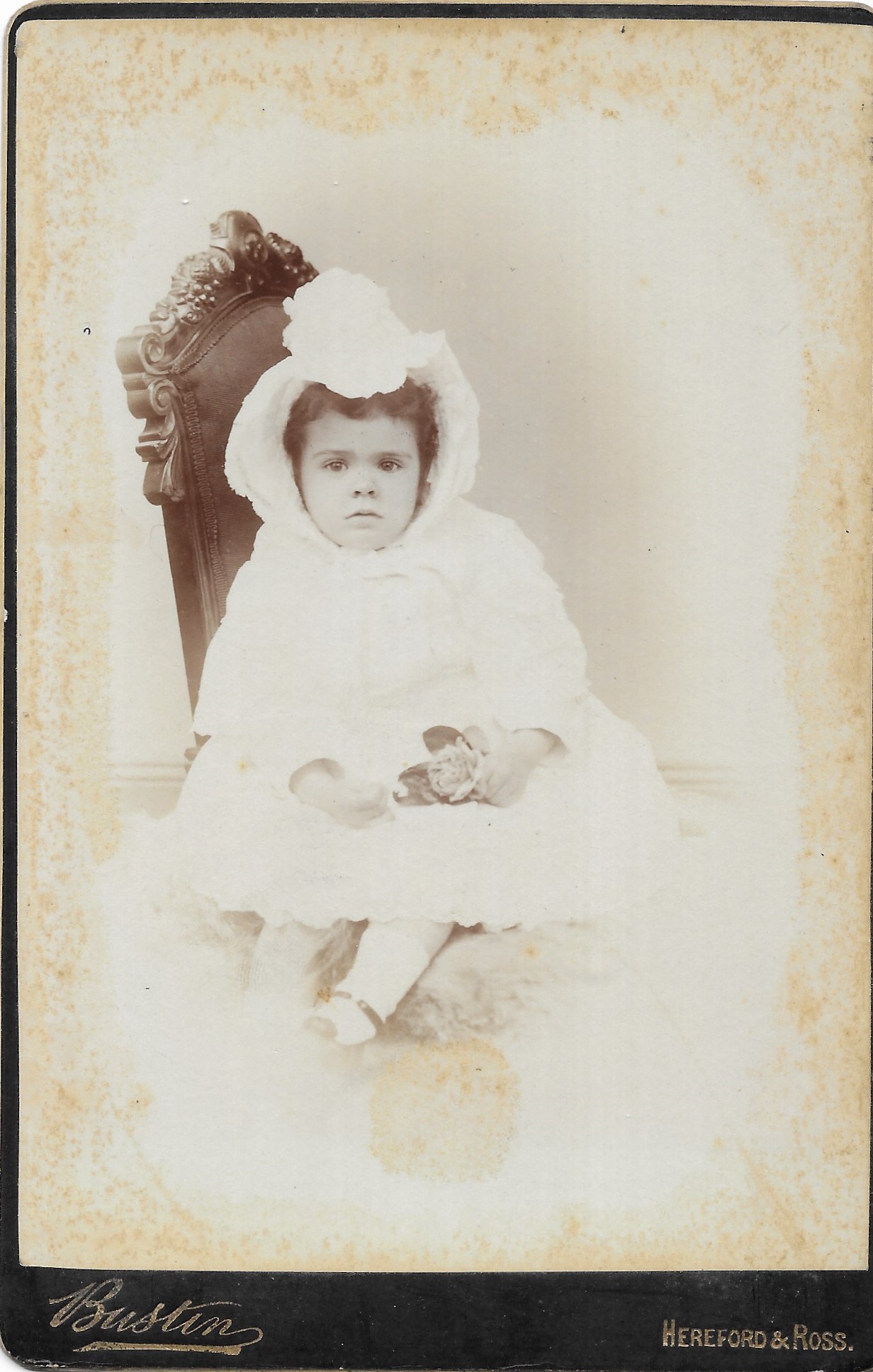
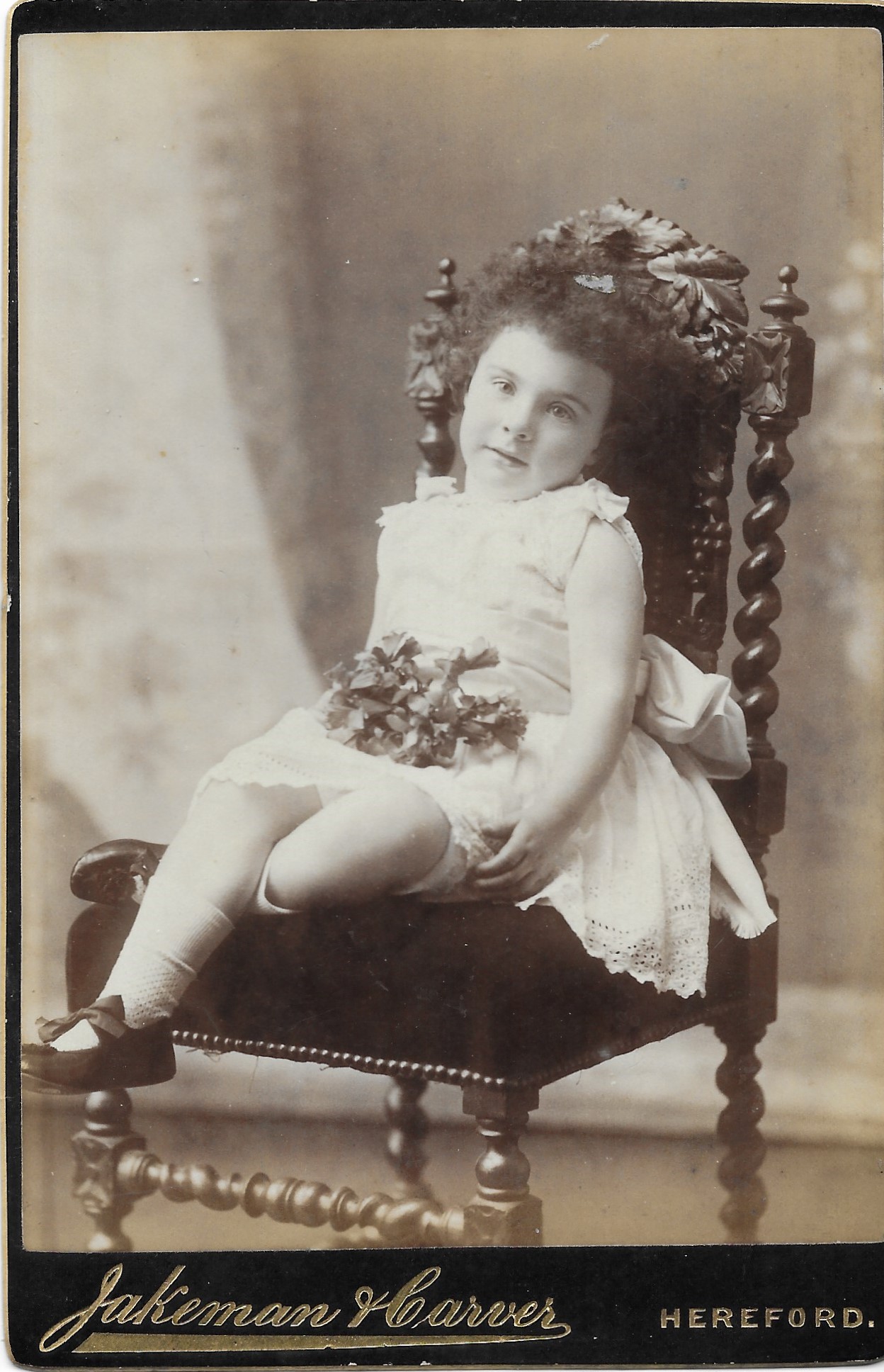
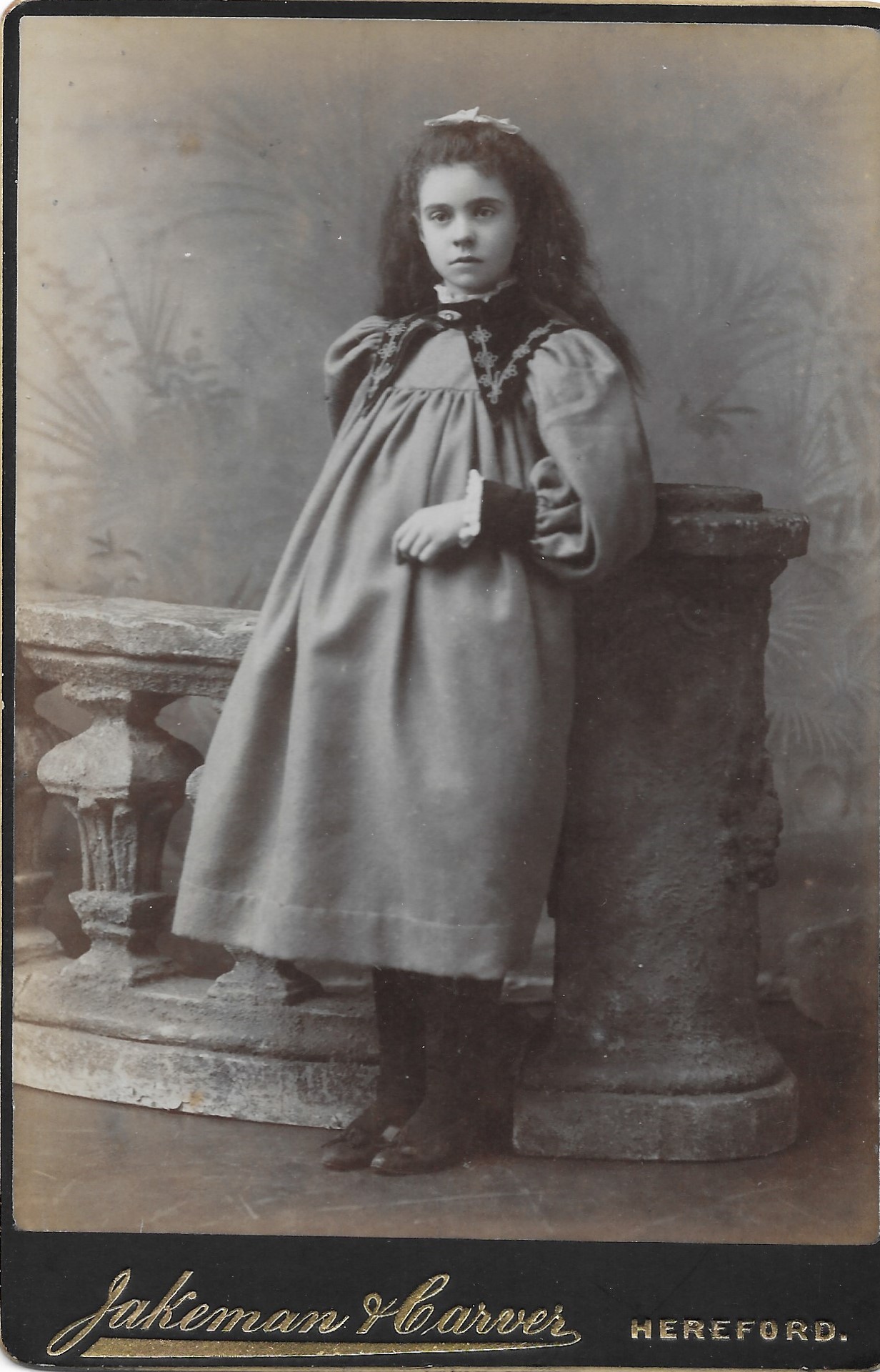
They had four daughters during their marriage. I’m pleased to say we have photos of them:
1 Mary Owena Geraldine Lucas O’Neill, Born 1887, Weobley, Herefordshire, England. Died 15 Sep 1957, Devonshire, England.
2 Winifred Gwladys Nepean O’Neill. Born 1888, Weobley, Herefordshire, England. Died in 1966.
3 Kathleen Louisa Werekind O’Neill. Born 1891, Weobley, Herefordshire, England. Died in 1974.
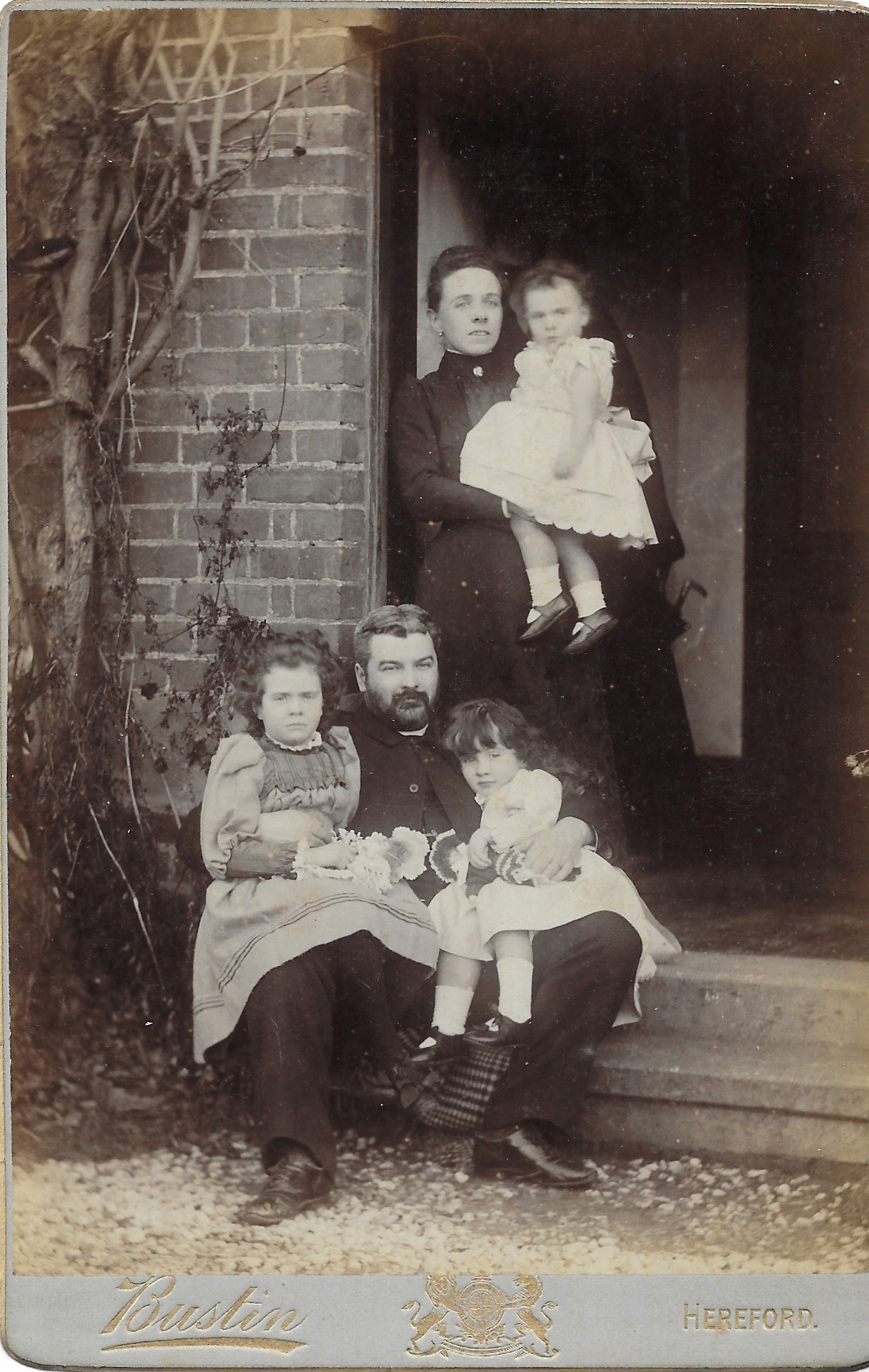
4 Elinor Roson Iveagh O’Neill. Died in 1980. Born 1894, Clun, Shropshire, England.
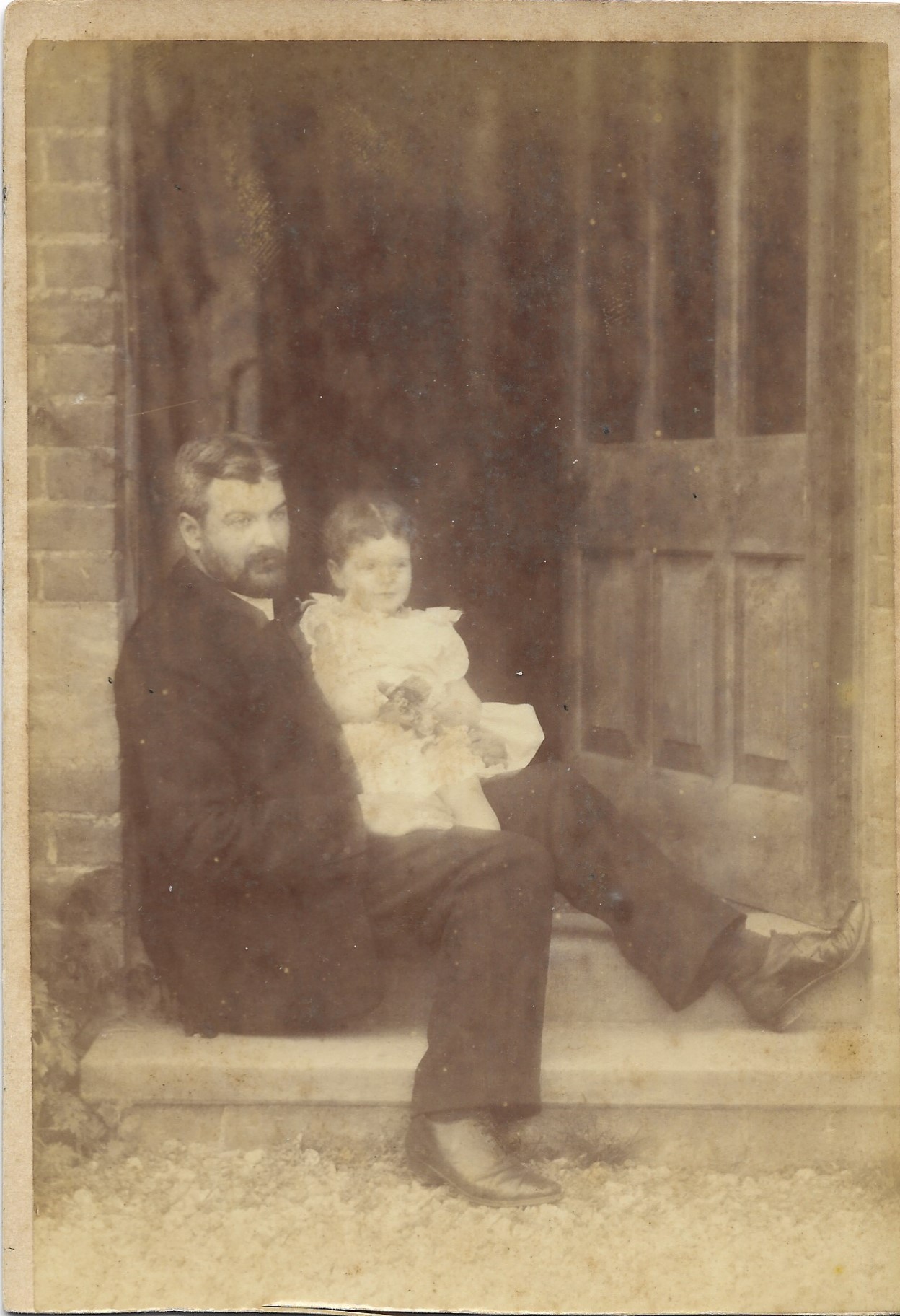
Martha Ellen died in October 1952 in Totnes, Devon, at the age of 90. Gerald died in 1932.
A Family of Survival.
From Highland roots to industrial ambition, from smuggling escapades to imperial service, the story of the Duff family is not one of steady ascent—but of survival.
They lost fortunes to fire.
They crossed oceans.
They faced prison, war, and sudden death.
And yet, through Daniel Duff of Logicalmond, their line endured.
A lot of this information, as I have mentioned earlier, I found via this link, free pages: TheBookOfTheDuffs.pdf, and I combined it with my own research into the family and the family tree I created on Ancestry. Direct link here: Duff Thomas Family
Not a grand clan in power, but something perhaps more formidable: A family that refused to disappear.
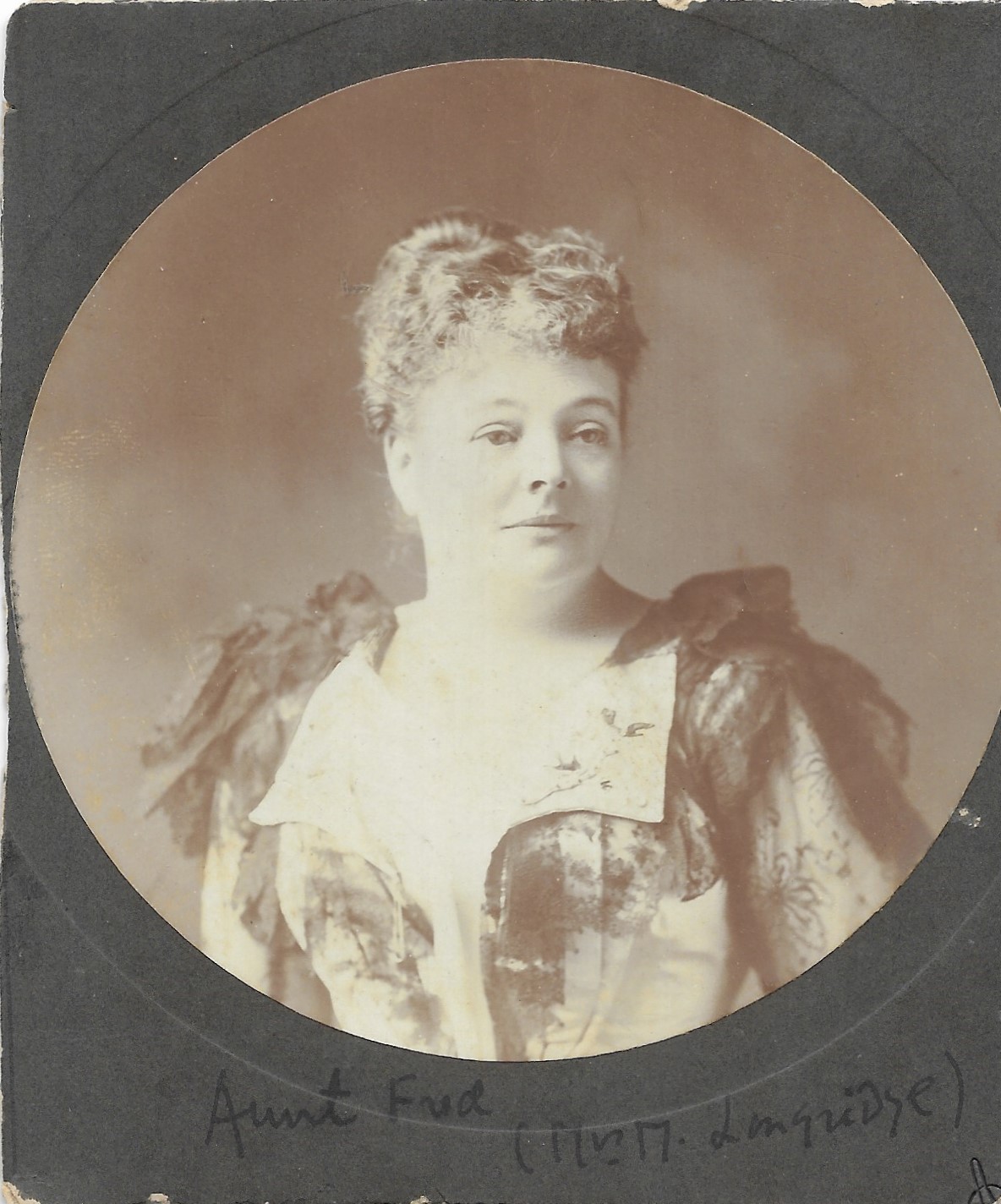
Now these last two old photos, both of the same lady, were likely kept by one of the O’Neill girls, as I have found that Frederica O’Neill was their father’s sister, so their Aunt Fred.
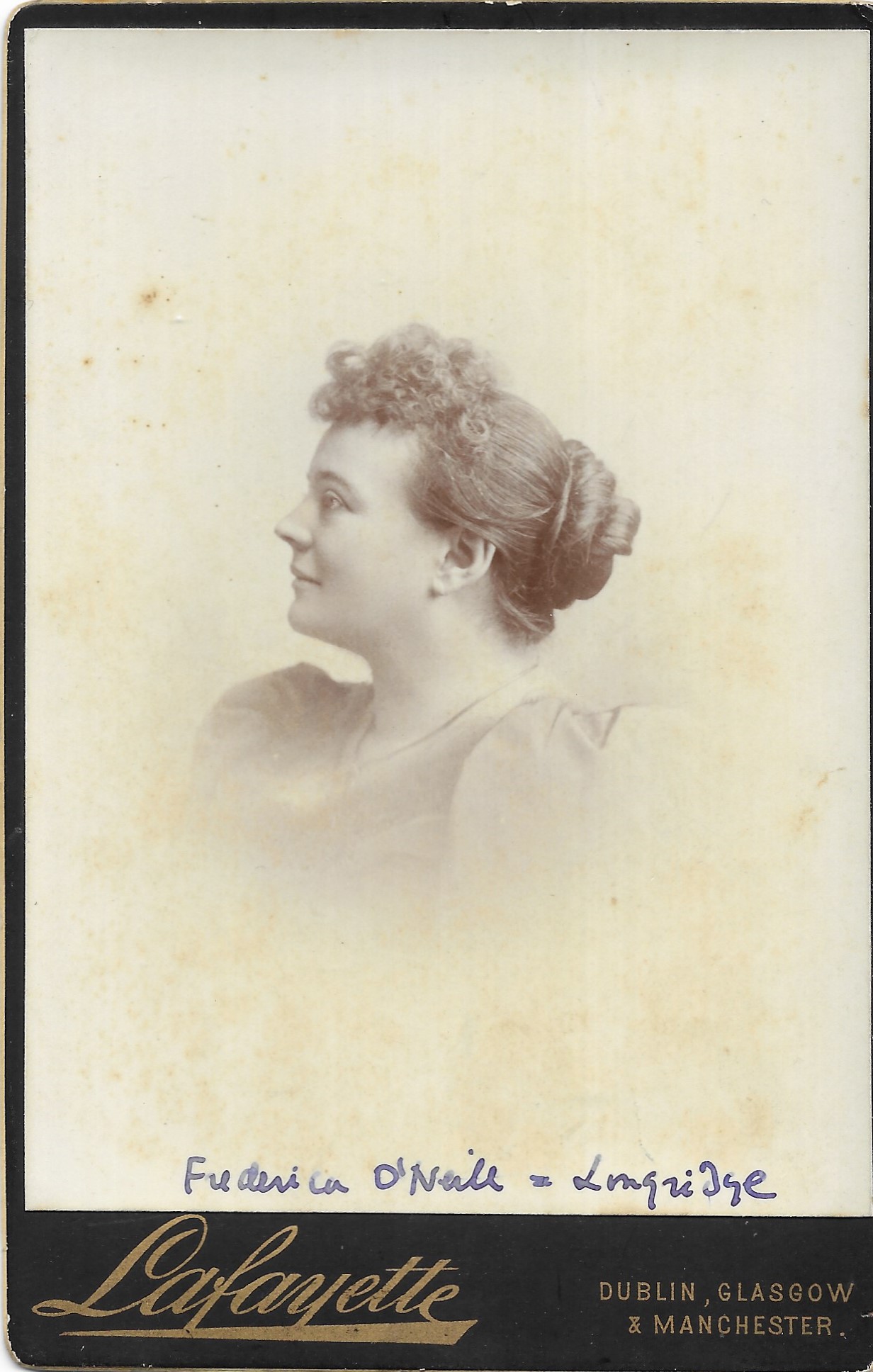
Georgina Frederica Napean O’Neill was born on 31 July 1847 in Torrington, Devon. Her parents were Owen and Georgina. She married Michael Longbridge, a distinguished Engineer, in January 1871 in Totnes, Devon. They had seven children, four girls and three boys. She died on 18 October 1917 in Kingsbridge, Devon, at the age of 70.
You can contact me either by commenting here or via email at lynnswaffles@gmail.com.
Till next time then………
 lynnswaffles.com